YUNO PLASTIC surgery
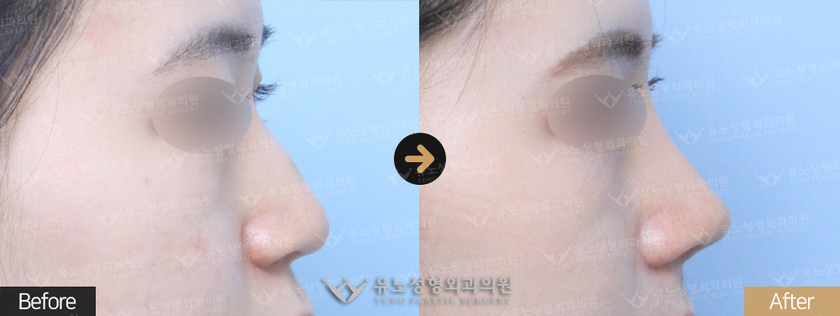
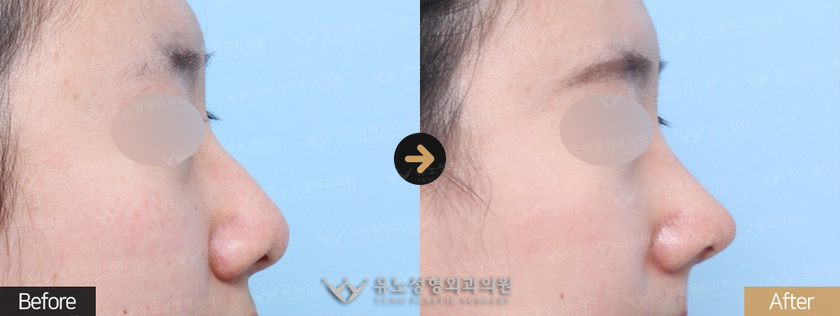
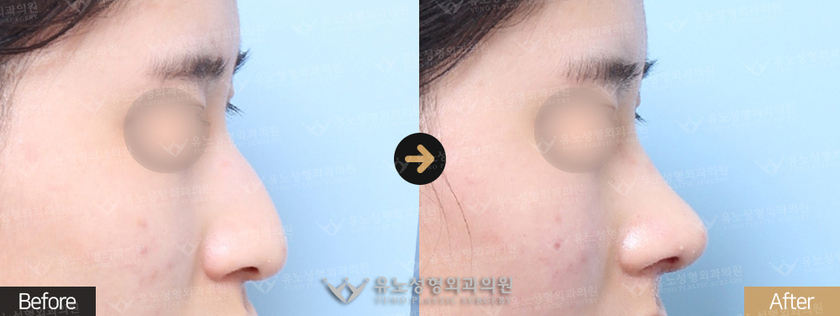
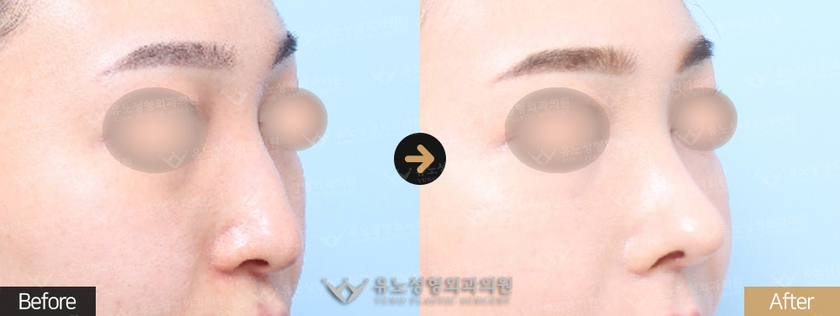
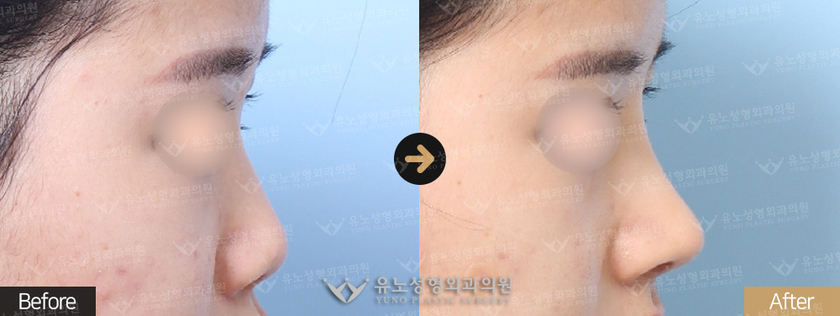
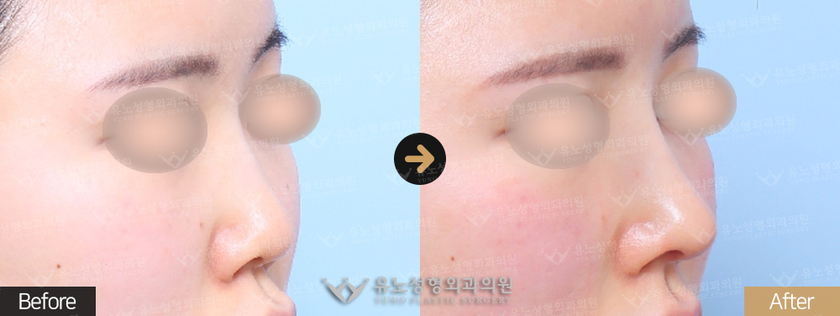
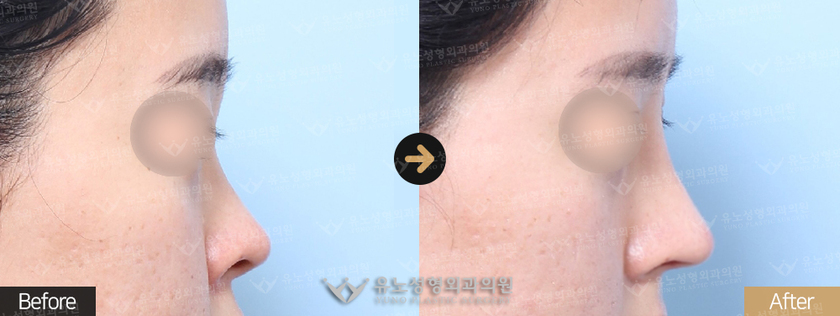
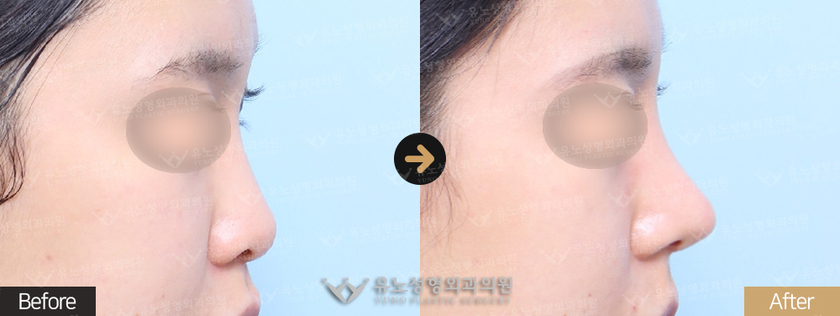
Low nose augmentation
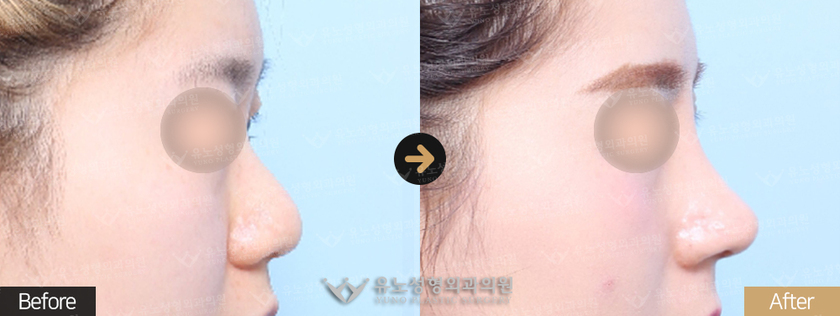
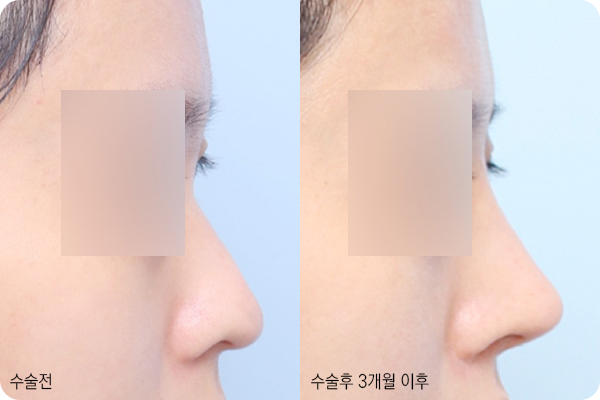
This procedure improves a flat-looking appearance by enhancing the projection
of a low nasal bridge and tip in proportion to the face.
Achieve a defined, elevated nose line
with enhanced dimension
By improving a low and blunt nose into a more three-dimensional shape,
the overall facial features appear more refined and well-defined.
Low nose augmentation
method
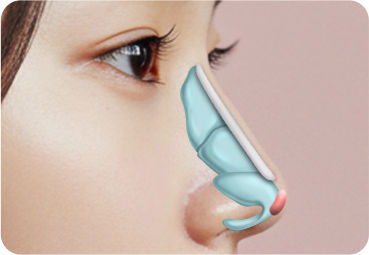
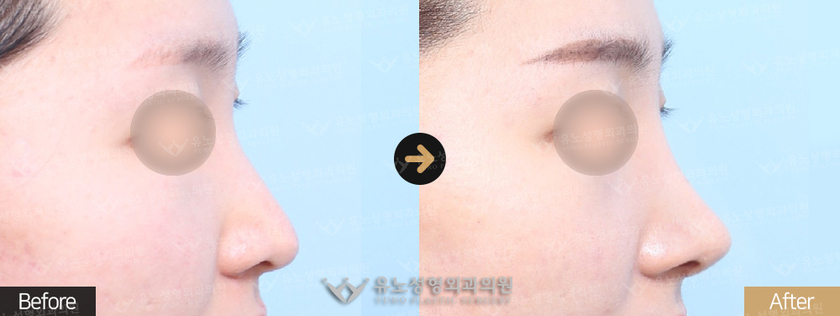
Low nose correction is performed by addressing the nasal bridge and the nasal tip separately.

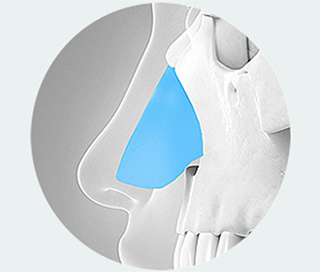
For the bridge, artificial implants such as silicone are commonly used to increase height
and for the tip, autologous cartilage is used to enhance volume and shape.
Before Surgery
Nasal bridge: Artificial implant
Nasal tip: Autologous cartilage
After Surgery
Rhinoplasty Materials
Rhinoplasty materials are broadly divided into artificial implants and autologous tissues.
Since each material has different characteristics, the choice is made based on
the individual’s nasal condition and preference.

Artificial Implants
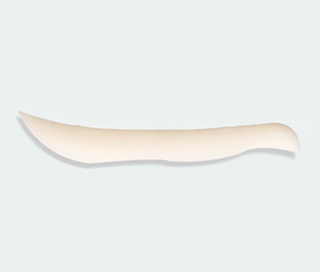
Silicone
The most commonly used material in rhinoplasty.
It is used to raise the nasal bridge and is ideal for
creating a smooth and refined nasal line.
Gore-Tex
Developed to complement the limitations of silicone,
Gore-Tex has a porous surface that allows surrounding tissue
to grow into it after surgery, providing strong adherence.
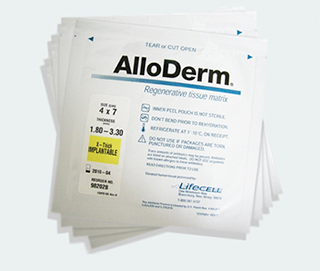
AlloDerm
A processed human-derived material with cellular components
removed to reduce immune rejection. It is used to cover
thin nasal skin or to enhance the nasal tip.
Autologous Tissue
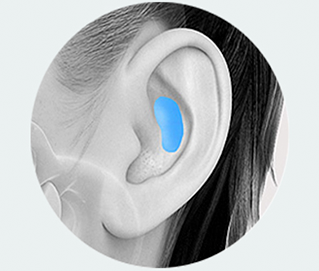
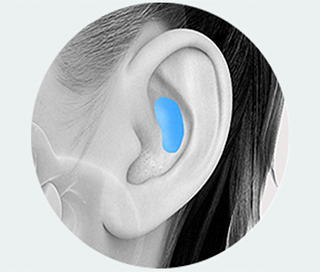
Ear Cartilage
A commonly used autologous material.
It is used to extend the nasal tip and is soft and flexible,
making it suitable for shaping the tip.
Septal Cartilage
A broad cartilage located inside the nose.
It is mainly used to elevate the nasal tip
or extend nasal length.
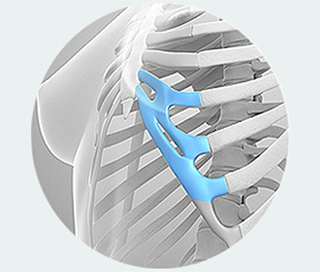
Costal Cartilage (Rib Cartilage)
Rib cartilage is firm and available in sufficient quantity,
making it an ideal material for rhinoplasty.
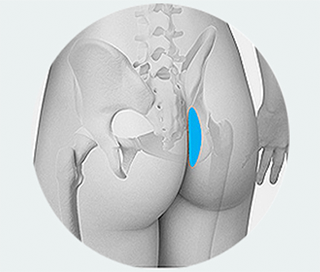
Dermis (Autologous Dermal Graft)
Usually harvested from the groin or buttock area.
It is often used to add volume beneath the skin when the nasal
skin is thin or when soft tissue is insufficient.
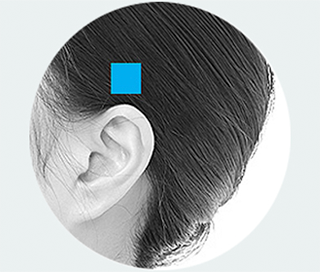
Fascia
A fibrous membrane that surrounds muscles, typically harvested
from the scalp. Temporal fascia is obtained through an incision

within the scalp to reduce implant visibility.

About YUNO
Low nose augmentation
Surgery Time
within 1.5 hours
Anesthesia
Sedation & Local anesthesia
Hospitalization
Same-day discharge
Suture Removal
5–7 days post-surgery
Follow-up Visits
2-3 times
(may vary by recovery)
Recovery Period
5-7 days post-surgery
Ideal Candidates for YUNO Low nose augmentation
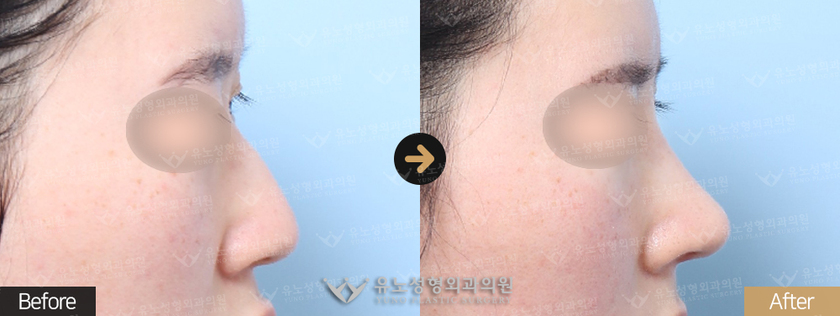
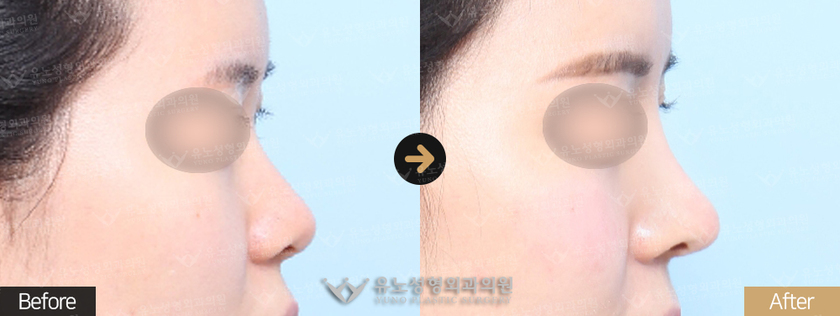
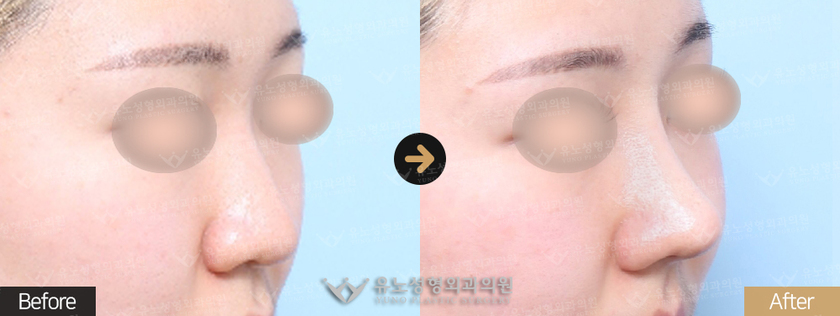
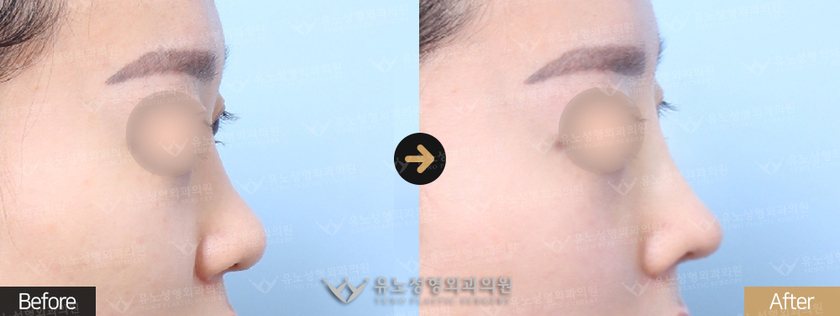
Proven Results
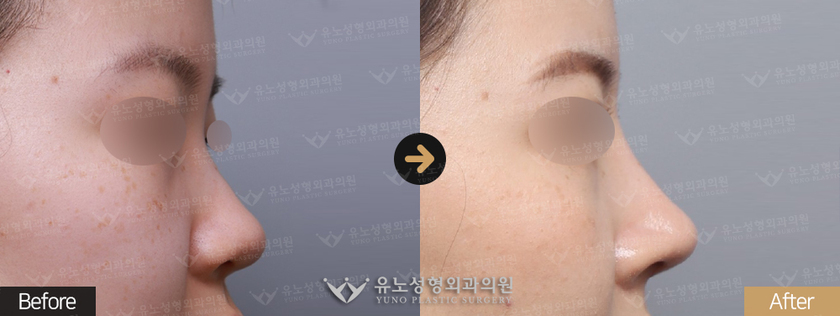
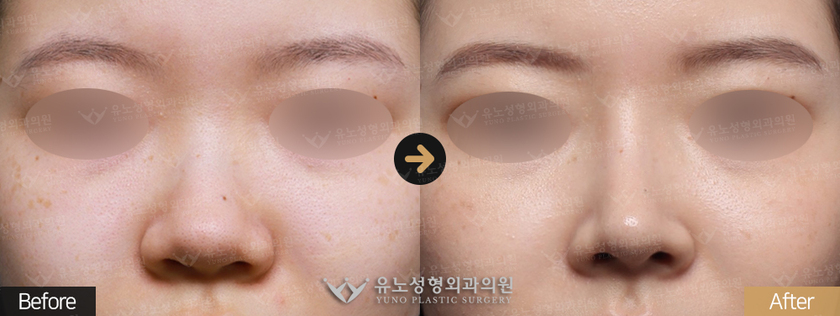
Before & After of
Rebirth Rhinoplasty