
 KOR
 ENG
 JPN
 RUS
 VNM
 CHN
 TWN
YUNO PLASTIC surgery
Hump nose correction
This procedure is designed for cases where the nasal bone and cartilage protrude,
creating an uneven surface that can give a strong or aged appearance.
By smoothing the nasal bridge, it creates a softer and more refined nose line.
Achieve a smooth and refined nose line
An uneven nasal bridge can give a harsh impression,
but by correcting it smoothly,
the overall appearance becomes softer and more balanced.
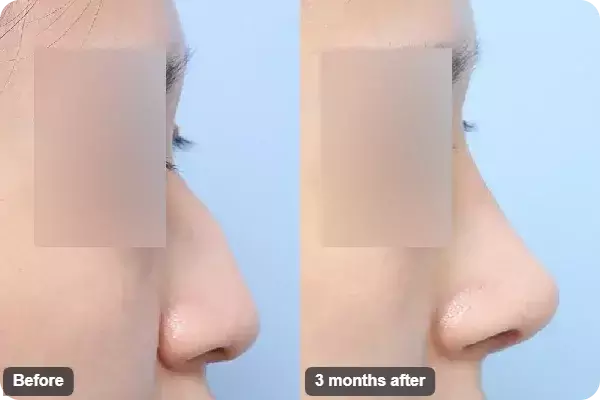
Hump nose correction
method
Hump nose correction is performed using different techniques depending on the severity of the condition
to create a smooth and refined nasal bridge line.
Mild Cases (Hump Nose)
If the overall nose shape is satisfactory but there is a slight hump, only the protruding area is shaved down.
Depending on individual preference, the nasal bridge can be further refined using silicone implants and autologous tissue
to achieve a smoother and more sophisticated shape.
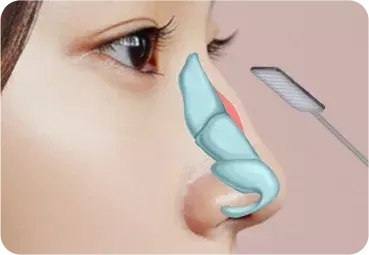
The nasal bridge is carefully smoothed.
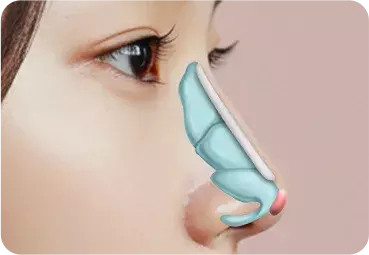
Silicone may be added to the refined bridge,
and the nasal tip is enhanced using autologous tissue.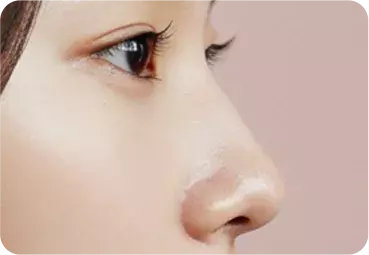
This results in a smoother and more refined nose line.
Hump Nose + Wide Nasal Bridge
In cases where the nose appears large and gives a strong or masculine impression, the hump is prominent and the nasal bridge is wide.
The protruding area is reduced, and osteotomy is performed to narrow the widened nasal bridge.
Depending on individual preference, silicone implants and autologous tissue may be used to further refine the shape.
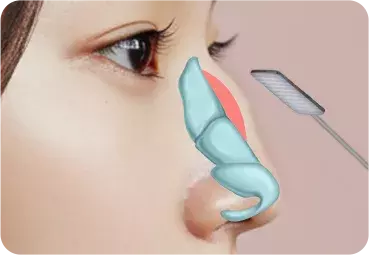
The nasal bridge is smoothed.
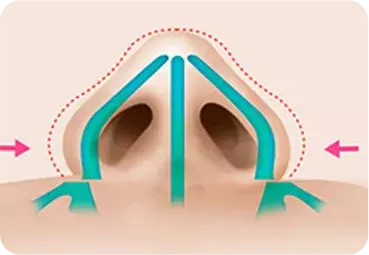
When accompanied by a wide nasal bridge,
osteotomy is performed to reduce the width.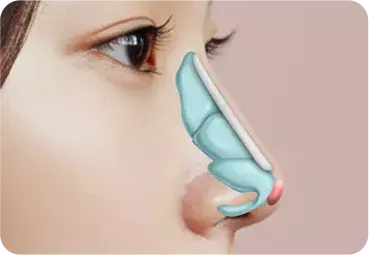
Based on the desired outcome, the nose shape
is further refined using silicone and autologous tissue.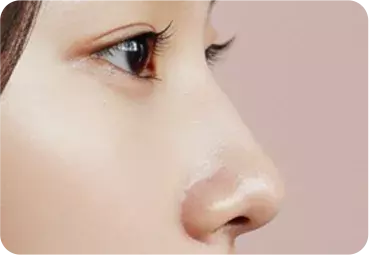
This results in a smoother and more refined nose line.
Hump Nose + Wide Nasal Bridge + Drooping Nasal Tip
In some cases of hump nose, the nasal tip may also droop.
In such cases, it is important to correct the drooping tip in harmony with the forehead and nasal bridge line.
Autologous tissues such as septal cartilage or rib cartilage are used to build strong support for the nasal tip, improving its position and shape.
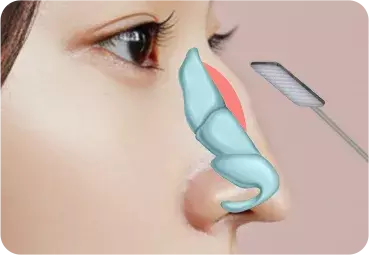
The nasal bridge is smoothed.
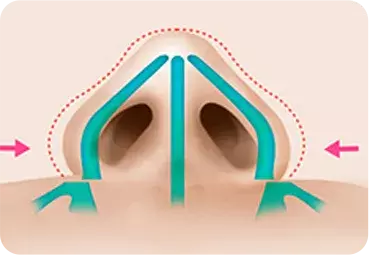
When accompanied by a wide nasal bridge,
osteotomy is performed to reduce the width.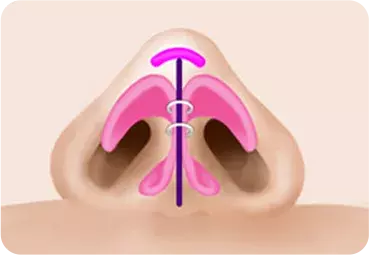
Autologous tissues are used to build
strong support for the nasal tip.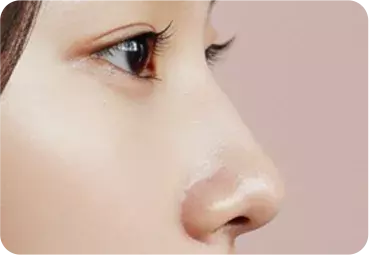
This results in a smoother and more refined nose line.
Rhinoplasty Materials
Rhinoplasty materials are broadly divided into artificial implants and autologous tissues.
Since each material has different characteristics, the choice is made based on
the individual’s nasal condition and preference.
Artificial Implants
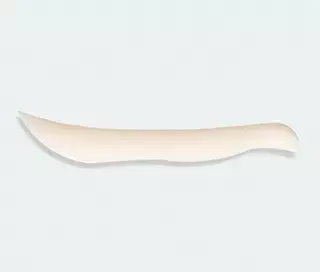
Silicone
The most commonly used material in rhinoplasty.
It is used to raise the nasal bridge and is ideal for
creating a smooth and refined nasal line.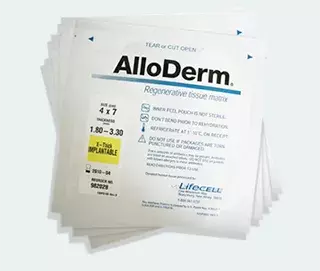
Gore-Tex
Developed to complement the limitations of silicone,
Gore-Tex has a porous surface that allows surrounding tissue
to grow into it after surgery, providing strong adherence.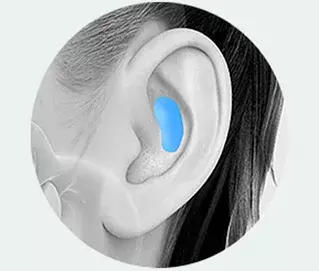
AlloDerm
A processed human-derived material with cellular components
removed to reduce immune rejection. It is used to cover
thin nasal skin or to enhance the nasal tip.
Autologous Tissue
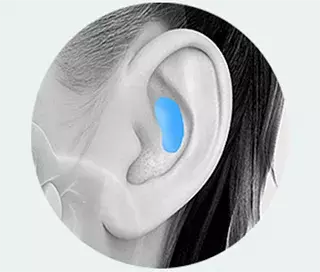
Ear Cartilage
A commonly used autologous material.
It is used to extend the nasal tip and is soft and flexible,
making it suitable for shaping the tip.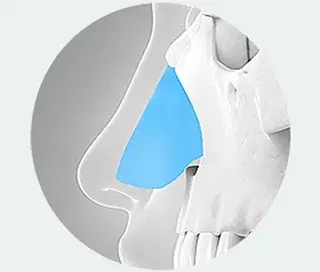
Septal Cartilage
A broad cartilage located inside the nose.
It is mainly used to elevate the nasal tip
or extend nasal length.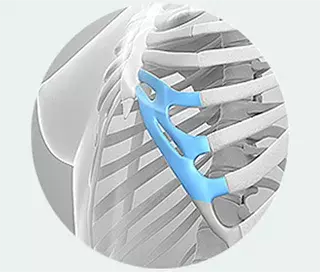
Costal Cartilage (Rib Cartilage)
Rib cartilage is firm and available in sufficient quantity,
making it an ideal material for rhinoplasty.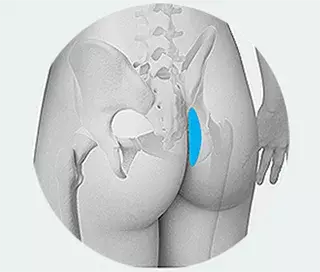
Dermis (Autologous Dermal Graft)
Usually harvested from the groin or buttock area.
It is often used to add volume beneath the skin when the nasal
skin is thin or when soft tissue is insufficient.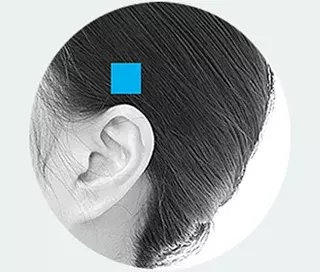
Fascia
A fibrous membrane that surrounds muscles, typically harvested
from the scalp. Temporal fascia is obtained through an incision
within the scalp to reduce implant visibility.
About YUNO
Hump nose correction

Surgery Time
2 hours

Anesthesia
Sedation & Local anesthesia

Hospitalization
Same-day discharge

Suture Removal
5–7 days post-surgery
(may vary depending on the extent of surgery)
Follow-up Visits
2-3 times
(may vary by recovery)
Recovery Period
within 1 week
Ideal Candidates for YUNO Hump nose correction
- 01Those with a protruding nasal bridge
- 02Those whose nasal bridge appears uneven from the front or side
- 03Those whose face appears longer due to a protruding bridge and a drooping tip
- 04Those whose nasal bridge is higher than the nasal tip
- 05Those whose nose shape has changed due to external trauma

Hump nose correction in Korea: a smooth, refined bridge line
A hump nose is one where the nasal bone and cartilage protrude and make the bridge look uneven. A bumpy bridge can give a strong impression and make a person look older. Hump nose correction at Yuno Plastic Surgery in Gangnam, Seoul, smooths the bridge so that the nose has a softer, more refined line from the front and the side.
How YUNO corrects it
The method depends on how pronounced the hump is.
A mild hump
If you like the overall shape of your nose and the hump is slight, the protruding part is smoothed down. Depending on your preference, silicone and your own tissue can then be used to refine the shape.
A hump with a wide bridge
When a clear hump is combined with a wide bridge, the nose can look large and masculine. The protruding part is smoothed, and the wide bridge is narrowed by cutting the nasal bone (osteotomy). Silicone and your own tissue can be added to shape the nose.
A hump, a wide bridge and a drooping tip
A drooping tip often comes with a hump. The tip is corrected together so that it matches the forehead and bridge line, using your own tissue such as septal or rib cartilage to build a strong tip support.
Materials used in nose surgery
Nose surgery uses either artificial implants or your own tissue, and the choice depends on your nose and preferences.
- Silicone is the most commonly used implant and raises the height of the bridge for a smooth line.
- Gore-Tex has tiny surface pores that skin tissue grows into, giving good adhesion.
- Alloderm is processed human-derived tissue used to cushion thin skin on the bridge or raise the tip.
- Ear cartilage is soft and elastic and is commonly used to lengthen and shape the tip.
- Septal cartilage is used to raise the tip or lengthen the nose.
- Rib cartilage is firm and available in sufficient quantity.
- Autologous dermis and fascia fill in thin or deficient soft tissue and soften the see-through look of an implant.
Who it may suit
- A bridge that protrudes.
- A bridge that is not smooth from the front or the side.
- A protruding bridge with a drooping tip that makes the face look longer.
- A bridge that sits higher than the tip.
- A nose whose shape changed after an external impact.
What to expect at YUNO
- Surgery time of about 2 hours, under sedation with local anesthesia.
- Same-day discharge.
- Sutures removed 5-7 days after surgery, which may vary with the extent of surgery.
- Two to three follow-up visits, depending on your recovery, and recovery within about 1 week.
For other nose procedures, see rhinoplasty and revision rhinoplasty.
Risks to understand before you decide
Bleeding, infection and inflammation can occur after surgery, and the degree varies between individuals. Results cannot be guaranteed, and the surgeon will explain the risks that apply to you.
FAQ
What is hump nose correction?
It is surgery that smooths a bridge where the nasal bone and cartilage protrude, giving a softer and more refined bridge line.
Why can a hump nose make someone look older or stronger?
A bumpy, protruding bridge can give a strong impression and make the face look older. Smoothing it softens the overall look.
How is a mild hump treated?
The protruding part is smoothed down, and silicone and your own tissue can be used to refine the shape depending on your preference.
What if my bridge is also wide?
The protruding part is smoothed and the wide bridge is narrowed by cutting the nasal bone (osteotomy). Silicone and your own tissue can be added to shape the nose.
What if my nasal tip also droops?
A drooping tip often comes with a hump. It is corrected together so that it matches the forehead and bridge line, using your own tissue such as septal or rib cartilage to support the tip.
Who is a good candidate?
People with a protruding or uneven bridge, a bridge higher than the tip, a drooping tip that makes the face look long, or a nose that changed after an impact.
How long does the surgery take, and what anesthesia is used?
Surgery takes about 2 hours under sedation with local anesthesia, and you go home the same day.
When are sutures removed, and how long is recovery?
Sutures are removed 5-7 days after surgery, which may vary with the extent of surgery. Recovery takes within about 1 week, with two to three follow-up visits depending on your recovery.
What are the possible risks?
Bleeding, infection and inflammation can occur, and the degree varies between individuals. Results cannot be guaranteed.
How do I start a consultation from overseas?
Use the online consultation form on this website to send front and side photos of your nose and your goals. For a more detailed consultation, contact us on WhatsApp. A coordinator will arrange an online consultation with the surgical team before you travel.
REAL PATIENT REVIEWS
Hump Nose Correction Patient Reviews
Experiences shared by Yuno Plastic Surgery patients in their own words.
- Rhinoplasty for a Nasal Hump & Wide Nose – Natural ResultI had rhinoplasty at YUNO Plastic Surgery for a slight nasal hump and a nose that looked wide from the front. Before…Read review

- Rhinoplasty for a Hump Nose – Softer, More Approachable I had rhinoplasty for a noticeable hump nose at YUNO Plastic Surgery. I had my nose done because I had a pretty…Read review

- Rhinoplasty for a Hump Nose – Refined, Not Too Artificial? I had rhinoplasty for my hump nose at YUNO Plastic Surgery. I didn't have a particularly low nose because I had a…Read review

- Rhinoplasty for a Nasal Hump – Still Natural at 15 Months I had rhinoplasty with hump nose correction at YUNO Plastic Surgery, and it's already been 1 year and 3 months. I…Read review

- Rhinoplasty for a Hump Nose – Smoother Bridge, Softer Look I'd been self-conscious about my hump nose since I was young, so I finally had rhinoplasty for hump correction at…Read review
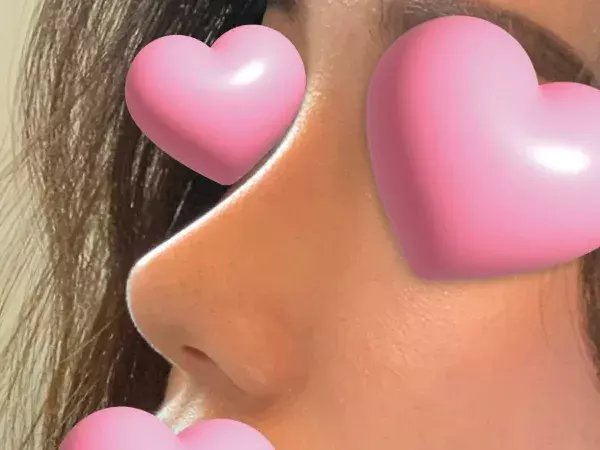
- Rhinoplasty for a Nasal Hump – Softer Impression, 2 Months I had rhinoplasty with hump nose correction at YUNO Plastic Surgery, and this is my review a little over…Read review
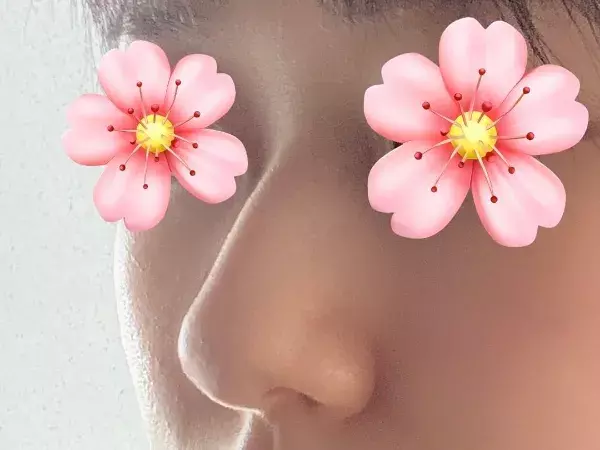
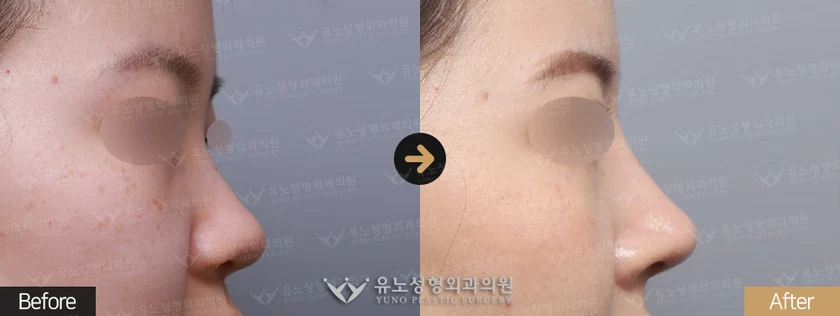
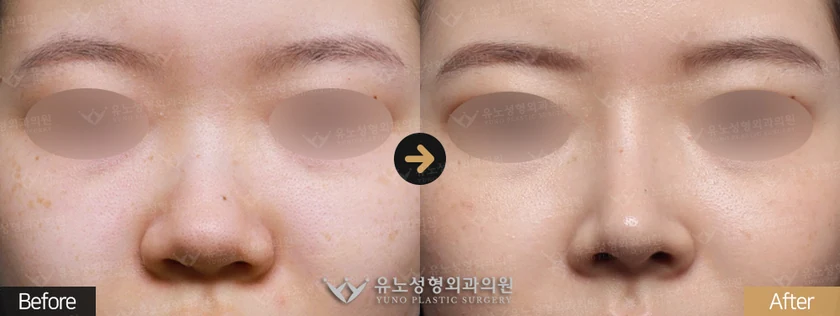
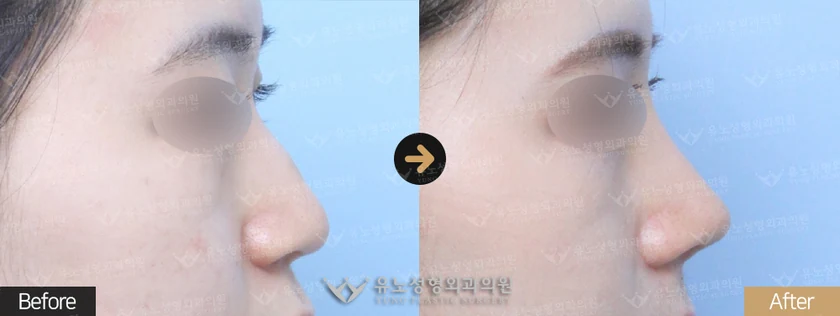
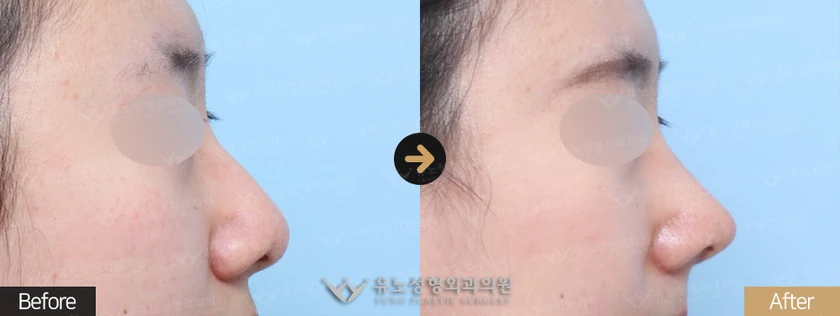
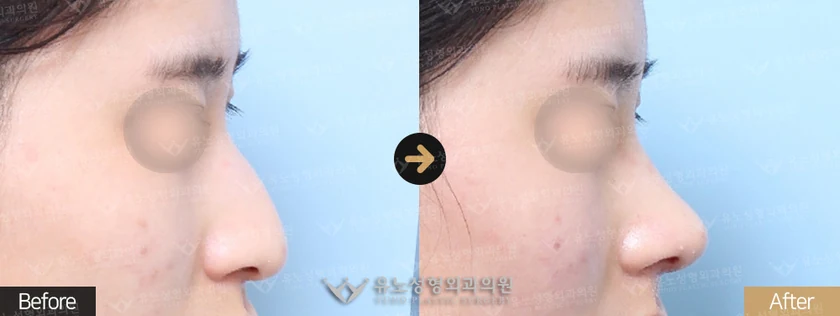
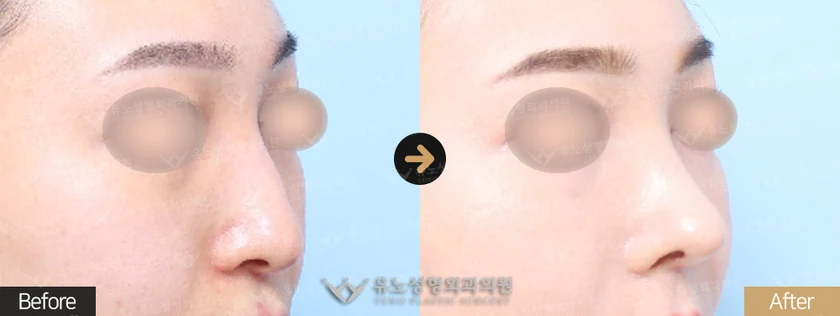
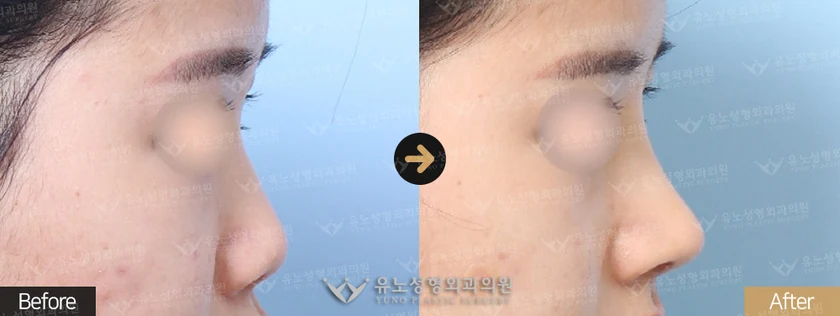
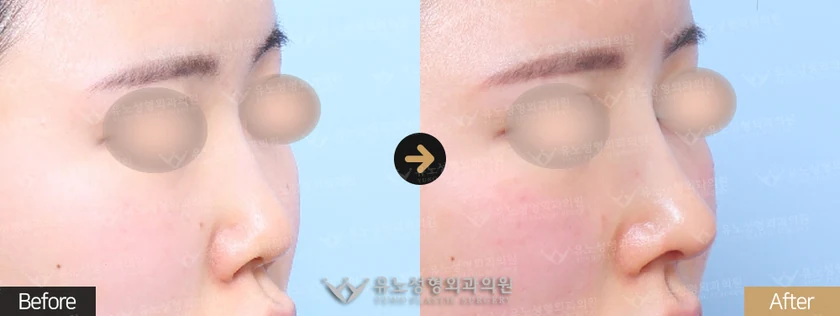
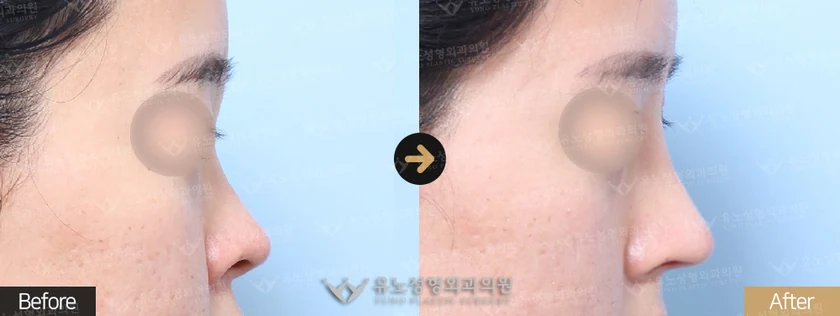
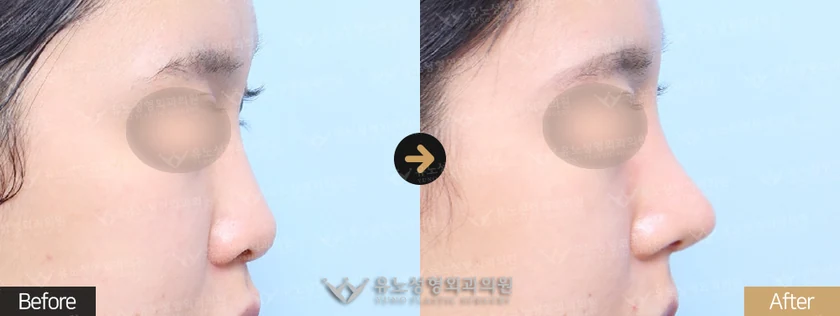
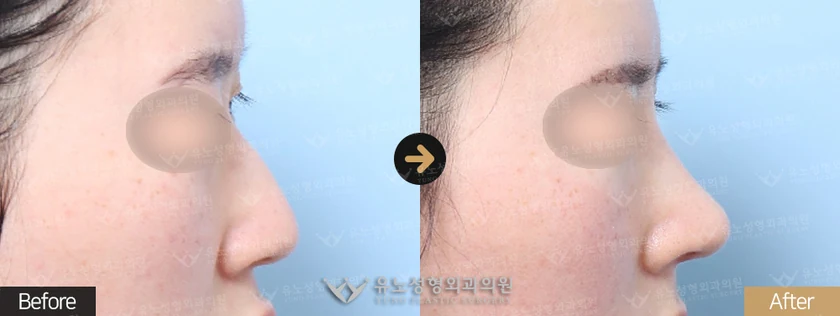
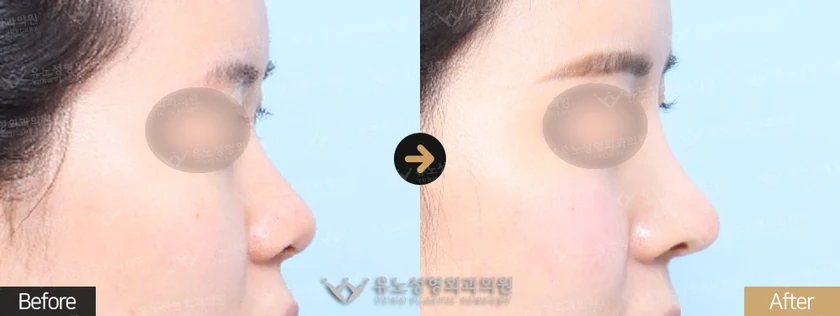
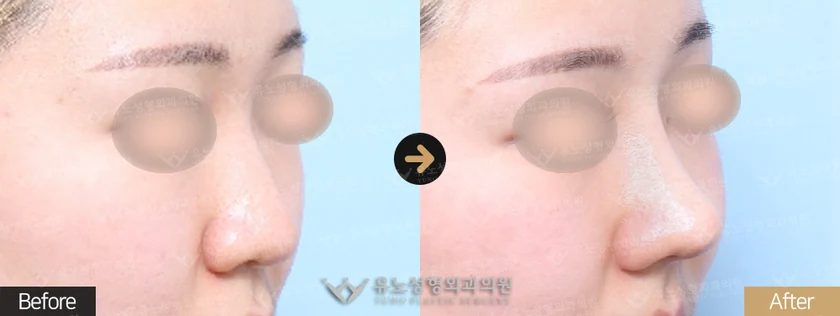
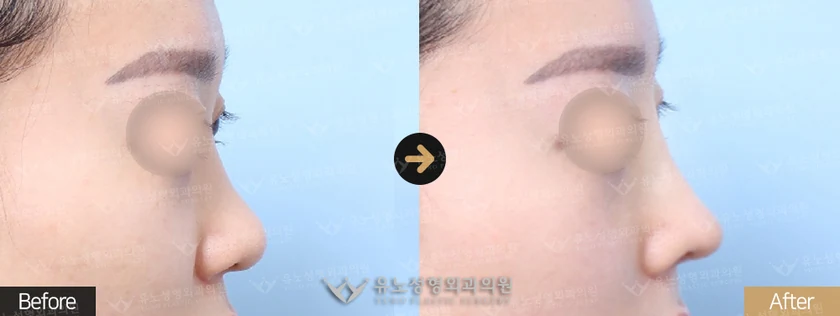
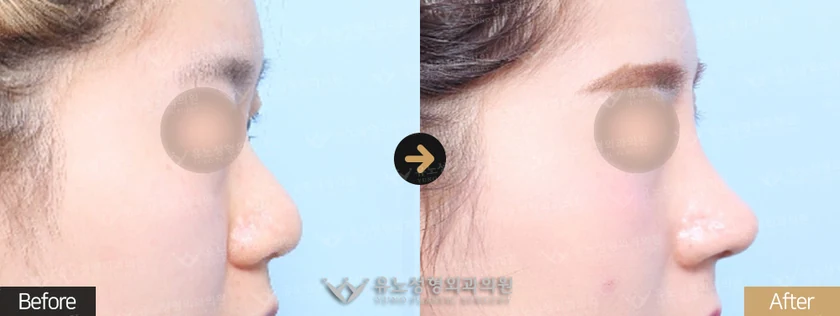
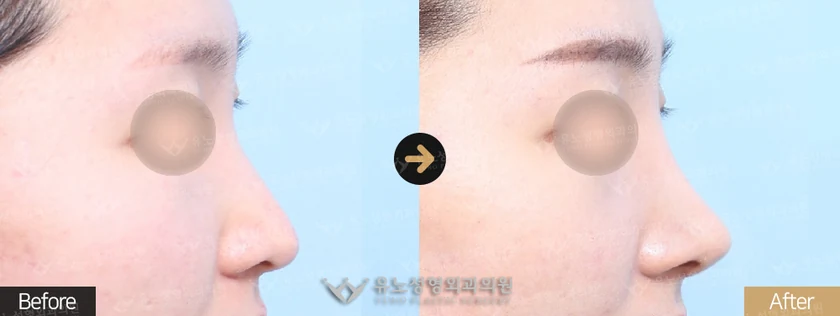
Proven Results
Before & After of
Rebirth Rhinoplasty
Hump Nose Correction at YUNO Plastic Surgery: key facts
| Surgery time | 2 hours |
|---|---|
| Anesthesia | Sedation with local anesthesia |
| Hospital stay | Same-day discharge |
| Stitch removal | 5 to 7 days after surgery (depends on the extent of surgery) |
| Follow-up visits | 2 to 3 (depends on recovery) |
| Recovery period | Within 1 week |
Figures from YUNO Plastic Surgery's surgery information. Recovery differs between individuals, and your doctor's instructions always take priority.
Read rhinoplasty reviews from YUNO patients (191) · Recovery time and how long to stay in Korea
How much does hump nose correction cost in Korea at YUNO?
There is no fixed price for hump nose correction at YUNO Plastic Surgery. The cost depends on your surgery plan and the difficulty of the surgery. Send front and side photos through the online consultation form or on WhatsApp (+82-10-4665-7503) for a consultation, and the doctor confirms the final plan and price at the in-person consultation in Seoul.
Your surgical team and safety at YUNO Plastic Surgery
- Plastic surgeons: five plastic surgeons, Dr. Kim Shin Young, Dr. Kim Dong Kyu, Dr. Ahn Kwang Hyeon, Dr. Yoon Sung Yeon and Dr. Joo Jae Doo (medical team).
- Anesthesia: two board-certified anesthesiologists work in-house and provide one-on-one anesthesia care, with blood pressure, heart rate and oxygen saturation monitored in real time (surgical safety system).
- Results you can check: 184 before and after cases and more than 3,000 patient reviews.
- Location and experience: Gangnam, Seoul, near Shinnonhyeon and Gangnam stations. The clinic has been open for 12 years, and Head Surgeon Dr. Kim Shin Young has 22 years of clinical experience.
Results vary by individual. The surgical method is decided at consultation after the doctor reviews your condition.
Medically reviewed by Dr. Kim Shin Young, Head Surgeon at YUNO Plastic Surgery, Seoul · Last reviewed: November 2026