
 KOR
 ENG
 JPN
 RUS
 VNM
 CHN
 TWN
How Long Does Swelling Last After Ptosis Correction?
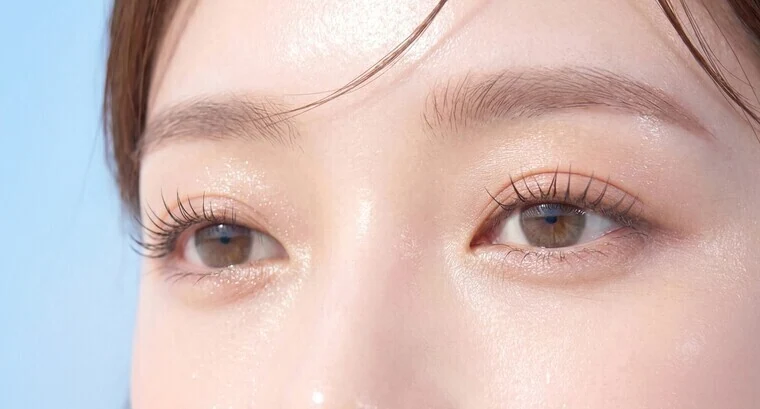
Yuno Plastic Surgery Magazine · Published September 2026 · Medically reviewed
Key Takeaways
- Swelling after ptosis correction (eye-opening surgery) can be more noticeable 2 to 3 days after surgery than immediately afterward, and in many cases it then gradually decreases.
- Visible swelling often settles enough to make daily life comfortable in about 1 to 2 weeks or more, though this varies with the surgical method and each person's recovery speed.
- The process of residual swelling subsiding and the eye-opening feeling settling can continue for several months, and the final result is usually assessed over about 3 to 6 months.
- Recovery speed can vary depending on whether an incision is made, the amount of correction, other eye procedures performed at the same time, and individual tissue condition.
- If you notice anything unusual, such as sudden severe swelling, pain, or changes in vision, contact your doctor rather than waiting for a scheduled follow-up date.
One of the things people ask about most before ptosis correction is swelling.
"When will my eyes look natural?"
"It has been a month and they still look swollen. Is that okay?"
The short answer is that visible swelling after ptosis correction often decreases fairly quickly during the first 1 to 2 weeks, but it can take several months for residual swelling and the eye-opening feeling to fully settle.
The important point is that "when the swelling is completely gone" and "when you can go back to work or go out" are not the same moment.
Because recovery differs depending on the surgical method and the extent of correction, understanding it stage by stage can help you plan your schedule after surgery.
Why Can Swelling Last Longer After Ptosis Correction Than After Double Eyelid Surgery?
Ptosis correction adjusts the structures involved in eyelid-opening function to correct how far the eye opens.
Compared with surgery that only creates a double eyelid crease, the tissue and scope being corrected can differ, so depending on the method, swelling and a tight feeling may last longer.
However, not every ptosis correction causes longer swelling than standard double eyelid surgery.
Recovery can differ depending on whether the surgery is non-incisional or incisional, how much correction is needed, and whether other procedures, such as double eyelid surgery or canthoplasty, were performed at the same time.
In the early period, differences in swelling can make your eyes look larger than usual or uneven. As swelling decreases and the tissue settles, your overall impression can change.
How Does Swelling Change Over Time After Ptosis Correction?
Recovery speed varies from person to person, but the general course can be understood as follows.
Day of Surgery to Day 3
Swelling, bruising, and redness may appear right after surgery.
Swelling can look most pronounced until about 2 to 3 days after surgery, so it is best to rest well during the early period.
Days 4 to 7
This is when the initial heavy swelling begins to go down.
If you had an incisional procedure, stitches may be removed during this period, depending on the surgical method and your recovery.
Light outings may be possible, but swelling and bruising around the eyes may still be visible.
Weeks 1 to 2
Visible swelling gradually decreases, and many people return to daily life, such as work or social plans.
However, if the surgical scope was wide or you tend to swell for longer, your eyelids may still feel thick or uneven during this period.
Weeks 2 to 4
Swelling is much reduced compared with the early period, but slight puffiness, stiffness, and a tight feeling may remain.
Even if your eyes look natural from the outside, the tissue underneath is still healing.
Months 1 to 3
Residual swelling gradually decreases, and the eyelid line and eye-opening feeling continue to settle.
Left-right differences or an over-opened feeling noticed early on can also change as recovery progresses.
Months 3 to 6
Slight swelling decreases and the tissue settles, making this the period when your final eye shape can be assessed.
However, when things settle can vary with the surgical method and your individual recovery.
When Can I Go Back to Work After Ptosis Correction?
Many people want to know when they can return to normal life.
In general, many people can return to work and daily activities from about 1 to 2 weeks after surgery, when the noticeable early swelling goes down.
If your work involves meeting many people, or if appearance matters, such as photo shoots or important meetings, it is better to allow more time.
Being able to go to work also does not mean the swelling is completely gone.
Residual swelling, bruising, and left-right differences may remain for some time.
What Affects How Quickly Swelling Goes Down?
Even with the same ptosis correction, recovery speed can differ from person to person.
1. Incisional vs. Non-Incisional Method
Because an incisional method works on a wider area of tissue than a non-incisional one, early swelling and bruising may be relatively more noticeable or last longer.
However, whether an incision is made does not by itself determine the recovery period.
2. Extent of Correction
Early tissue response and recovery can differ depending on how much the eye-opening was corrected.
If the correction was extensive or involved several tissues, swelling may take longer to settle.
3. Procedures Performed Together
If double eyelid surgery, medial epicanthoplasty, upper epicanthoplasty, or another eye procedure was performed along with ptosis correction, the overall surgical area is larger and swelling may be more noticeable.
For this reason, it is difficult to apply someone else's ptosis correction recovery time to yourself.
4. Individual Tissue Condition and Recovery Speed
Even with the same surgery, the degree of swelling and how fast it goes down differ from person to person.
This is because skin and soft tissue condition, the surgical scope, and post-operative care can all play a part.
How Much Pain Is There After Ptosis Correction?
The degree of pain after ptosis correction also varies with the individual and the surgical method.
Right after surgery, you may feel throbbing, a pulling sensation, or stiffness in the eyelids.
Even as the pain itself decreases over time, some awkwardness or tightness may remain when you open or close your eyes.
Take your prescribed medication as directed by your doctor, and if pain is worse than expected or suddenly increases, it is a good idea to check with your doctor.
Is It Okay If My Eyes Do Not Close Well After Ptosis Correction?
Right after ptosis correction, you may feel that your eyes do not close as fully as usual because of swelling and the change in how far the eye opens.
However, how well the eyes close and how long this lasts differ from person to person, so it should not be assumed that it will simply be fine after a certain period.
If your eyes remain unable to close fully, the cornea can become dry or irritated, so follow your doctor's guidance on any care you need.
In particular, if you have severe dryness, pain, redness, or changes in vision, or if the difficulty closing your eyes persists, contact your doctor rather than waiting for your scheduled follow-up.
How Should I Manage Swelling After Ptosis Correction?
Post-operative care can vary with the surgical method and your doctor's protocol, so following the guidance of the doctor who performed your surgery is the most important thing.
In general, the following points are usually advised:
- During the early period, apply cold compresses in the way and for the times your doctor advised.
- When lying down, keeping your upper body and head slightly elevated can help manage early swelling.
- Avoid alcohol, smoking, saunas, and strenuous exercise for the period your doctor advised.
- Be careful not to rub or press hard on your eyes.
- When you can start washing your face, wearing eye makeup, or wearing contact lenses depends on the surgical method, so check with your doctor first.
- Use prescribed medications and eye drops as instructed.
- Keep your scheduled follow-up appointments so your recovery can be checked.
Rather than applying care methods you find online on your own, it is important to follow the guidance that fits your own surgical method.
Which Symptoms Should I Check With My Clinic About Right Away?
Swelling and bruising can appear during recovery after ptosis correction, but not every change should be assumed to be simple swelling.
If any of the following occur, contact the clinic where you had surgery to check your condition rather than waiting for your scheduled follow-up date.
When One Eye Suddenly Swells Severely and Pain Increases
Some difference between the two sides is possible, but if one eye swells quickly and suddenly and pain becomes severe, it may need to be checked for other causes, such as bleeding.
When Swelling and Redness Get Worse Over Time
If swelling and redness increase several days after surgery, or you notice warmth or discharge, it is a good idea to check with your doctor.
When Your Vision Becomes Blurry or Changes
If your vision suddenly becomes blurry, you feel your sight getting worse, or you have severe eye pain, you should be evaluated by a doctor promptly.
When Your Eyes Are Very Dry or Do Not Close Well
If your eyelids do not close enough and your eyeball stays exposed, or severe dryness and a foreign-body sensation continue, it is a good idea to have your condition checked.
What Are Common Misconceptions About Swelling After Ptosis Correction?
"Swelling is completely gone in a week."
Many people find daily life easier as early swelling decreases at around one week, but that is not when swelling is completely gone.
Residual swelling and the tissue settling process can continue for several months.
"If swelling lasts a long time, the surgery went wrong."
Lingering swelling alone does not mean there is a problem with the surgical result.
Residual swelling can last a long time depending on the surgical method, the scope of surgery, and individual recovery speed.
However, if swelling suddenly gets worse or is accompanied by pain, warmth, or changes in vision, you should check with your doctor.
"The longer you use cold compresses, the better."
The method and duration of cold compresses can vary with the surgical method and your doctor's guidance.
Following the method and times advised by the clinic where you had surgery matters more than applying them for very long periods.
"If my eyes look uneven right after surgery, they will stay uneven."
In the early period, the two sides may lose swelling at different rates and look temporarily asymmetric.
So it is hard to judge the final left-right balance from how your eyes look early on.
However, if the difference is very large, gets worse over time, or comes with pain or other unusual symptoms, check with your doctor rather than waiting.
FAQ | Swelling After Ptosis Correction
When can I go back to work after ptosis correction?
It depends on the surgical method and your individual recovery speed, but many people can return to work and daily life from about 1 to 2 weeks after surgery, when early swelling decreases. If your work involves meeting many people or appearance matters, it is better to allow more time.
Does swelling last longer after ptosis correction than after double eyelid surgery?
It can, depending on the surgical method. Because ptosis correction also addresses structures involved in eyelid-opening function, recovery can feel longer than for surgery that only creates a double eyelid crease. However, it varies with whether an incision is made, the extent of correction, and any procedures performed together, so it cannot be assumed that every ptosis correction swells for longer.
Is there less swelling with non-incisional ptosis correction?
A non-incisional method generally involves a smaller incision area, so early swelling may be relatively milder. However, the actual degree of swelling and recovery speed can vary with the extent of correction, any procedures performed together, and individual tissue condition.
Is it a problem if my eyes look different in size after surgery?
In the early period, the two sides may lose swelling at different rates, so eye size or crease lines may temporarily look different. It is hard to judge the final result from an early left-right difference, but if the difference suddenly becomes severe or comes with other unusual symptoms, it is a good idea to check with your doctor.
Is it okay that my eyes do not close well after ptosis correction?
Right after surgery, your eyes may feel like they close less fully because of swelling and the change in how far the eye opens. However, if it is severe, or if persistent dryness, pain, redness, or changes in vision accompany it, you should check your condition with your doctor.
When does swelling after ptosis correction go away completely?
Visible early swelling can decrease relatively quickly, but slight swelling and the settling of the tissue can continue for several months. The final eye shape is generally assessed over about 3 to 6 months, though actual recovery varies from person to person.
Plan Around Your Own Recovery
Knowing in advance how long swelling after ptosis correction lasts and planning your schedule around it can also ease the worry you may feel during recovery.
The key is to separate "when I can get back to daily life" from "when my eyes will finally look natural."
Returning to daily life as visible early swelling goes down can take a relatively short time, but the settling of residual swelling and the eye-opening feeling can continue for several months.
Because recovery speed depends on whether an incision is made, the extent of correction, any procedures performed together, and your own tissue condition, it is more important to follow your own progress than to compare it simply with someone else's recovery time.
At Yuno Plastic Surgery, we explain the expected recovery process and care methods before surgery, and check swelling, eye-opening, and left-right balance at follow-up visits after surgery.
Notice
This content is intended to provide general medical information and does not replace diagnosis or treatment of your individual condition. Please decide on an accurate diagnosis, surgical method, and post-operative care through a consultation with your doctor.
All surgeries and procedures can involve side effects and complications such as swelling, bruising, bleeding, infection, scarring, asymmetry, over-correction or under-correction, dry eye, and the possibility of revision surgery. The degree and recovery process vary from person to person.
The recovery periods described here are general reference ranges, and your actual recovery may differ depending on the surgical method, the scope of surgery, and your individual condition.
This content is intended to provide general medical information, not an individual's treatment experience or a guarantee of results.
Yuno Plastic Surgery · Medically reviewed