
 KOR
 ENG
 JPN
 RUS
 VNM
 CHN
 TWN
Medial Epicanthoplasty Regret: 6 Common Mistakes to Avoid
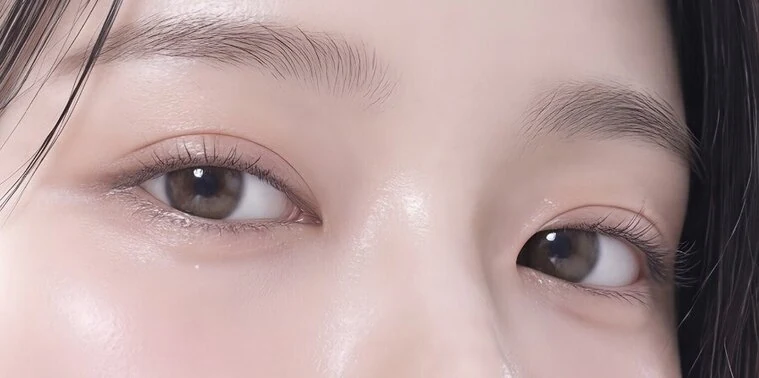
Medial Epicanthoplasty Regret: 6 Common Mistakes to Avoid
Yuno Plastic Surgery Magazine · Medically reviewed
Key points of this article
- Medial epicanthoplasty is surgery that adjusts the skin structure at the inner corner of the eye to change the shape of the inner eye and how much of it shows.
- The reasons for regret after medial epicanthoplasty can vary, including not only the gap between the expected change and the actual result but also the extent of the opening, scarring, exposure of the inner eye and differences between the left and right sides.
- Before surgery, it is more important to check what change your current eye structure needs than "how much is opened."
- In early recovery, swelling and changes at the incision site can make the eyes feel different from the final look.
- Even if you do not like the result of medial epicanthoplasty, a return to exactly the same state as before surgery cannot be guaranteed, so the extent of the first surgery should be planned carefully.
"I had medial epicanthoplasty, but my eyes don't look the way I imagined."
"I thought my eyes would look more open, but they seem to look closer together instead."
"Was it a mistake to have medial epicanthoplasty?"
It is hard to put the reasons for these worries after medial epicanthoplasty down to one thing.
The change expected before surgery may differ from the actual change, and in some cases the exposure of the inner corner, scarring or a difference between the left and right sides is what bothers you.
So before deciding on medial epicanthoplasty, it is important to understand which part actually changes with the surgery, rather than simply aiming to "have bigger eyes."
Why do people regret medial epicanthoplasty?
The reasons for dissatisfaction after medial epicanthoplasty can vary, from a gap between the expected eye shape and the actual change to scarring or the shape of the inner corner.
For example, the following points may bother you.
| What bothers you | What to check |
|---|---|
| Less change than expected | The difference between the change expected before surgery and the change medial epicanthoplasty can make |
| Eyes look too close together | Changes in inner eye exposure and the distance between the eyes |
| Too much of the inner corner shows | The current shape of the inner corner and the extent of the opening |
| Scarring is a concern | The color and texture of the incision site and the current stage of recovery |
| Left and right look different | Swelling on both sides, the structure of the inner corners and the extent of surgery |
| Overall impression looks different | The relationship between the change at the inner corner and the overall facial impression |
So rather than simply concluding that "medial epicanthoplasty leads to regret" or "medial epicanthoplasty itself is the problem," it is important to identify which part is bothering you now.
Mistake 1. Thinking "medial epicanthoplasty will make my eyes look big"
Medial epicanthoplasty is not surgery that makes the eyeball itself bigger.
It is surgery in which the shape of the inner eye and how much of it shows can change as the skin structure covering the inner corner is adjusted.
As a result, the horizontal impression of the eye can change, but it is hard to expect that medial epicanthoplasty alone will greatly change the overall eye size in every eye.
So rather than approaching it as
"My eyes are small, so I should have medial epicanthoplasty,"
you first need to separate out why your eyes look small now and what change you want.
Mistake 2. Thinking "the more it is opened, the prettier it will be"
Opening more with medial epicanthoplasty does not necessarily create a more natural look or the eye shape you want.
Because medial epicanthoplasty changes the shape and exposure of the inner eye, the impression that the eyes sit closer together and the look of the inner corner can also change depending on the extent of the opening.
So rather than thinking only about "how many mm to open," the following factors should be checked together.
- Current structure of the inner corner of the eye
- Shape of the epicanthal fold
- How much of the inner eye shows
- Distance between the two eyes
- Double eyelid line
- Overall facial proportions
- The change you want
It is important to plan medial epicanthoplasty based on "how much change do my eyes need now" rather than "as much as possible."
Mistake 3. Only saying "please make it look natural"
Expressions such as "natural," "just a little" or "more open" can mean different things to different people.
The natural eyes you have in mind and the change the medical team expects may differ, so it is better to describe the impression you want a little more specifically.
For example,
- I would like the inner corner of my eyes to show a little more than now.
- I do not want my eyes to look too close together.
- I would like the front part of my double eyelid line to look a little more natural.
- I do not want the inner corner of my eyes to look sharp.
In this way you can communicate both what you want and what you do not want.
You can also use reference photos, but rather than asking for the same result as the photo, it is better to use them as material to explain which part of the photo you like.
Mistake 4. Thinking the same extent as someone else will give you the same eyes
Having surgery to the same extent does not give everyone the same impression.
This is because the structure of the inner corner, the epicanthal fold, the distance between the eyes, the double eyelid line and facial proportions all differ from person to person.
So rather than looking at before-and-after photos of a friend or someone else and asking,
"Please do it to exactly the same extent as that person,"
it is important to check how much change is possible in your own eyes now.
Reference photos are best used as material to explain the direction you want, not as a copy of the result.
Mistake 5. Regretting medial epicanthoplasty based only on how it looks right after surgery
It is hard to judge the final shape of the inner corner from how it looks in early recovery after medial epicanthoplasty.
After surgery, swelling and changes in the color and texture of the incision site can appear, and these changes can make the inner corner look different from usual.
So rather than judging the final result or deciding on revision surgery right away just because your eyes look awkward immediately after surgery, it is important to check which stage of recovery you are in now.
However, you should not assume that every discomfort is "just swelling, so I only need to wait."
If pain or swelling gets worse instead, or if warmth, discharge, a sudden change in vision or severe eye discomfort appears, your current condition needs to be checked.
If I do not like the shape 2 weeks after medial epicanthoplasty, has it failed?
It is hard to judge the success or failure of medial epicanthoplasty from the 2-week mark alone.
This is because even at the same point in time, swelling and the healing of the incision site can differ from person to person.
So rather than only checking "how many weeks have passed since surgery," it is good to look together at
- How the swelling is changing
- How the color and texture of the incision site are changing
- Whether the shape of the inner corner is still changing
- Whether there are any uncomfortable symptoms
and similar points.
Mistake 6. Thinking "if I don't like it, I can just have it reversed later"
There are cases in which surgery to readjust the inner corner after medial epicanthoplasty can be considered, but a return to exactly the same state as before surgery cannot be guaranteed.
This is because after medial epicanthoplasty the structure of the skin and surrounding tissue changes, and scarring or adhesions may remain.
So caution is needed about deciding the extent of the first surgery on the assumption that
"I can open it a lot and have it reversed if I don't like it,"
from the moment you start planning.
It is important to decide the extent of surgery after fully checking the changes your current eye structure needs and the changes you do not want.
Why do the eyes look too close together after medial epicanthoplasty?
After medial epicanthoplasty, the exposure of the inner eye changes, and you may feel that your eyes look closer together than before.
However, the feeling that the eyes look too close together is hard to explain by the extent of the opening alone.
This is because the distance between the eyes before surgery, the horizontal length of the eyes, the structure of the inner corner and overall facial proportions can all have an effect together.
So even with the same extent of medial epicanthoplasty as someone else, the final impression can differ from person to person.
If a scar is visible after medial epicanthoplasty, did something go wrong?
It is hard to judge whether there is a problem with the surgical result from the fact alone that a mark is visible at the incision site after medial epicanthoplasty.
In surgery that involves an incision, the color and texture of the incision site can be noticeable during recovery and can change afterward.
So if the scar bothers you, the following should be checked together:
- How much time has passed since surgery
- How the color and texture of the scar are changing
- Whether it is raised or there is a pulling sensation
- Whether other symptoms such as pain or discharge are present
and similar points.
In particular, if pain, swelling, warmth or discharge at the incision site gets worse, it is better to have your current condition checked rather than treating it as a simple scar change.
If one side looks more open after medial epicanthoplasty, do I need revision surgery?
It is hard to conclude that revision surgery is needed right away just because the left and right sides look different.
The structure of the two inner corners may have differed before surgery, and the degree of swelling or changes at the incision site may also appear differently on each side during recovery.
So if asymmetry bothers you, the following should be checked together.
- The difference between left and right before surgery
- The current degree of swelling
- How much of the inner corner shows
- The condition of the incision site and scar
- Whether the shape on each side is still changing
- Whether there is any functional discomfort now
Whether to have revision surgery should be judged after checking the current cause and stage of recovery, rather than from the simple fact that the two sides look different.
What should you check if you are considering reconstruction or revision surgery?
First, it is important to break the feeling that "I don't like my medial epicanthoplasty" down into specific issues.
For example, you can separate out
- Whether the inner corner looks too exposed
- Whether the feeling that the eyes look too close together bothers you
- Whether the scar is what bothers you most
- Whether the left and right shapes are different
- Whether you do not like the shape of the inner corner itself
- Whether there is pulling or other functional discomfort
as distinct points.
After that, the previous surgical method, the current condition of the tissue, scarring and adhesions, and the stage of recovery should be checked to judge whether adjustment or revision surgery can be considered.
What should you check in a consultation to reduce the chance of regret?
Before surgery, it is good to check the following.
| What to check in a consultation | Example question |
|---|---|
| Current structure of the inner corner | What kind of structure do my inner corners have? |
| Why medial epicanthoplasty is needed | Which part of my eyes would change with medial epicanthoplasty? |
| Expected change | Compared with before surgery, what will change and how? |
| Extent of surgery | How much change are you planning? |
| Distance between the eyes | How do you judge the possibility that my eyes will look closer together after surgery? |
| Relationship with the double eyelid | How would my double eyelid line look without medial epicanthoplasty? |
| Scarring | How are the incision position and the healing process checked? |
| Recovery | Which changes should I look at when evaluating the result? |
| Revision and reconstruction | If the result is uncomfortable, which parts are evaluated again? |
In particular, explaining not only the changes you want but also the changes you do not want helps the consultation.
FAQ | Frequently asked questions about medial epicanthoplasty regret and decisions
Does medial epicanthoplasty make the eyes much bigger?
Medial epicanthoplasty mainly changes the skin structure at the inner corner and how much of the inner eye shows. How much bigger the eyes look can vary with your current eye structure and the extent of surgery, so it is hard to expect a large change in every case.
What happens if medial epicanthoplasty is overdone?
The exposure of the inner eye, the impression that the eyes sit closer together and the shape of the inner corner may feel different from what you expected. So rather than simply aiming to open a lot, the degree of change your current eye structure needs should be checked.
It has been 2 weeks since my medial epicanthoplasty and it looks very awkward. Should I wait?
It is hard to judge the final result from the 2-week mark alone. How the swelling, the incision site and the shape of the inner corner are changing should be checked together. If symptoms get worse or you have unusual discomfort, it is better to have your current condition checked regardless of timing.
I had medial epicanthoplasty to the same extent as my friend, but only my eyes look too close together. Why?
Because the distance between the eyes before surgery, the epicanthal fold, the structure of the inner corner and facial proportions differ from person to person, the final impression can differ even with the same extent of change.
Do medial epicanthoplasty scars disappear?
The color and texture of the incision site can change during recovery, but it cannot be said for certain that every scar will disappear completely. The current condition of the scar and the healing process should be checked together.
If my eyes look too close together after medial epicanthoplasty, can it be reversed?
Depending on the tissue at the inner corner and the state of scarring and adhesions, adjustment or reconstruction surgery can be considered. However, a return to exactly the same structure and impression as before surgery cannot be guaranteed.
Only one side looks different after medial epicanthoplasty. Do I need revision surgery?
It is hard to decide right away whether revision surgery is needed from a left-right difference alone. Asymmetry before surgery, current swelling, the incision site and the shape of the inner corner should be checked together.
If I do not like my medial epicanthoplasty, when can I have revision surgery?
It is hard to set the same waiting period for everyone. The timing should be judged after checking how the tissue has recovered, scarring and adhesions, the issue that bothers you and the extent of correction needed.
How can I tell whether I should not have had medial epicanthoplasty?
It is important to start by specifically identifying why you do not like the current result. Your current condition should be evaluated after separating out which part bothers you, such as inner eye exposure, the distance between the eyes, scarring, asymmetry or functional discomfort.
Medial epicanthoplasty regret: the change you want matters more than "how much is opened"
The reasons for dissatisfaction after medial epicanthoplasty cannot be explained by one thing.
Not only the gap between expectations before surgery and the actual change, but also various points such as inner eye exposure, the impression that the eyes sit closer together, scarring and left-right differences can have an effect.
So before surgery, rather than simply deciding "please make my eyes bigger" or "please make it natural," it is important to check specifically what change is possible with the current structure of your inner corners and how much change you want.
Also, the result should not be judged from early recovery alone, but waiting while assuming every discomfort is due to swelling may not be appropriate either.
In the end, what matters in medial epicanthoplasty is not following someone else's numbers or photos as they are, but checking your own current eye structure together with the changes you want and the changes you do not want.
You can read more about surgical methods and the recovery schedule on the Canthoplasty page.
※ Notice
- All surgeries and procedures may involve side effects or complications such as swelling, bruising, bleeding, infection, scarring, asymmetry and the possibility of revision surgery.
- This content is intended to provide medical information and is not a specific person's treatment experience (review).
- The exact diagnosis and treatment method should always be decided through consultation with a medical professional.
Yuno Plastic Surgery
This content has been reviewed by our medical team.