
 KOR
 ENG
 JPN
 RUS
 VNM
 CHN
 TWN
Rhinoplasty in Korea: Who Is a Good Candidate for Nose Surgery?
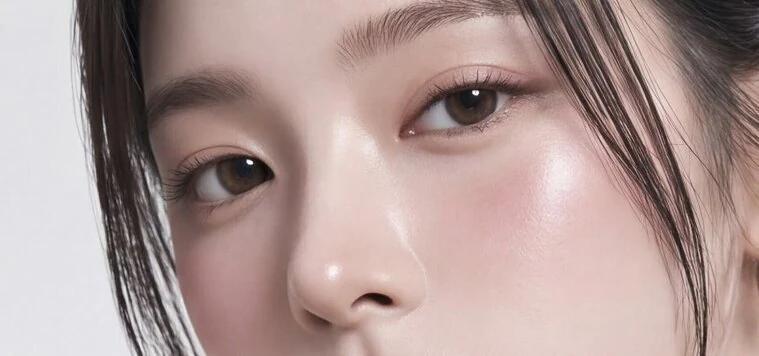
Rhinoplasty in Korea: Who Is a Good Candidate for Nose Surgery?
Yuno Plastic Surgery Magazine · Medically reviewed
Key points of this article
- Rhinoplasty is not a surgery you need simply because your nose is low or large.
- You should first check what bothers you now and whether its cause can be improved with surgery.
- The range of possible change differs depending on the structure of the skin, cartilage and nasal bones and the proportions of the whole face.
- Whether the change you want is clear, whether your expectations are realistic, and whether you are in a condition that allows surgery and recovery should be considered together.
"Would my nose look better with surgery too?"
"Would it be enough to change just the tip?"
Considering rhinoplasty does not mean everyone has surgery the same way, or that surgery is always needed.
What matters is checking what you want to change, what is causing it, and how much change surgery can actually make.
When can rhinoplasty be considered?
1. When the part you want to change is clear
If what bothers you is relatively clear, such as a bridge that looks low, a nose tip that droops or looks blunt, a wide alar base, or a hump or crooked nose, the cause can be looked into.
However, the same concern can have different causes.
For example, a nose tip may look blunt because of the shape of the cartilage, or thick skin and soft tissue may be playing a large part.
So checking why it looks that way comes before the shape seen on the surface.
2. When the current structure of your nose can be improved with surgery
The range that rhinoplasty can change differs depending on the current condition of the nasal bones and cartilage, and the skin and soft tissue.
After checking the height of the bridge, the direction and support of the nose tip, and the width and asymmetry of the nasal bones, we judge which parts can actually be changed.
If you also have nasal congestion, functional issues inside the nose, such as the septum, can be checked separately from the outward shape.
3. When the change you want is in harmony with the whole face
Because the nose is at the center of the face, surgery is not planned by looking at the height and shape of the nose alone.
The same nose can look completely different depending on the position of the forehead, lips and chin, and the length and width of the face.
So rather than recreating a particular person's nose as it is, it is important to check what height and shape look natural on your current face.
4. When the change you expect is realistic
Bringing photos of what you want helps the consultation.
However, because the nasal bones and cartilage, skin thickness and facial proportions differ from person to person, someone else's nose cannot be copied exactly.
With the photos you bring, rather than saying "please make it like this nose," it is better to talk about which features you like, such as the height of the bridge, the direction of the nose tip or the width seen from the front.
Are there cases where the decision needs a little more care?
When you are considering surgery because someone else suggested it
If you were not especially bothered yourself but started to consider surgery because of comments from people around you, it is worth first thinking about whether there is a change you actually want.
When there is a large gap between the change you want and the possible range
Depending on how much the skin and soft tissue can stretch and the shape and support of the cartilage, there may be limits to the height and shape that can be created.
Rather than aiming for an overly high nose or a change the current tissue would struggle to bear, it is important to decide after understanding the possible range.
When the face is still growing
For rhinoplasty for cosmetic purposes, the timing of surgery should be decided with the growth of the face and nose in mind.
If there is an injury or a functional problem, the need for treatment can be judged separately from surgery for cosmetic purposes.
When you are not currently in a suitable condition for surgery
If there is a problem that needs treatment, such as infection or inflammation, or your health is not stable, the timing of surgery can be adjusted.
If you are taking any medication or supplements, if you smoke, or if you have a history of nose surgery or filler treatment, you must tell the medical team before surgery.
Also, if an important event such as a wedding, a photo shoot or a trip is coming up soon, it is better to leave enough time with swelling and the recovery period in mind.
Is it possible to operate on just the nose tip or just the bridge?
Depending on the current balance of your nose, operating on one area alone is also possible.
If the bridge is sufficient and only the direction or shape of the nose tip is a concern, surgery focused on the tip can be considered, and if the proportions of the tip are fine but only the bridge height is lacking, surgery focused on the bridge can be considered.
However, it should also be checked that changing one part does not make the connection between the bridge and the nose tip, or the proportions of the whole face, look awkward.
Check these before deciding on rhinoplasty
Before a consultation, thinking about the following is enough.
- What is the part I most want to change?
- Can I explain why I am not happy with that part?
- Which specific features do I like in the photos I want to bring?
- Do I understand the range of change possible with my current nose?
- Has it been explained to me which surgery and materials are needed, and why?
- Do I understand the expected recovery period and the limits of surgery?
FAQ | Frequently asked questions about who is a good candidate for rhinoplasty
Can I have rhinoplasty even if my skin is thick?
Yes. However, with thick skin and soft tissue, the degree to which the fine contour created inside shows on the surface can differ. The range of change that is realistically possible is planned with skin thickness in mind.
Can I have surgery if I had nose filler in the past?
A history of filler treatment does not necessarily mean surgery is not possible. The surgical plan needed is decided after checking the type of filler, how much remains and the condition of the surrounding tissue.
My nose is crooked and I also have nasal congestion. Can they be treated together?
The causes of the outward crookedness and of the congestion need to be checked separately. If both a correction of the outward shape and a functional treatment are needed, surgery is sometimes planned to address them together.
Who is the best candidate for rhinoplasty?
More than a particular nose shape, what matters is whether the change you want is clear, whether that concern is within the range that surgery can improve, and whether you fully understand the possible change and its limits.
More important than "who is a candidate for rhinoplasty" is what surgery can change
Having a low nose or a round nose tip does not by itself mean rhinoplasty is needed.
The first step is to check which part concerns you now and whether its cause lies in the nasal bones and cartilage or in the skin and soft tissue, and to separate what surgery can change from what is difficult to change.
On that basis, it is better to decide whether to have surgery after checking whether the change you want suits your current face and is within a realistically possible range.
You can read more about surgical methods and the recovery schedule on the rhinoplasty page.
※ Notice
- All surgeries and procedures may involve side effects or complications such as swelling, bruising, bleeding, infection, scarring, asymmetry and the possibility of revision surgery.
- This content is intended to provide medical information and is not a specific person's treatment experience (review).
- The exact diagnosis and treatment method should always be decided through consultation with a medical professional.
Yuno Plastic Surgery
This content has been reviewed by our medical team.