
 KOR
 ENG
 JPN
 RUS
 VNM
 CHN
 TWN
What Is an In-Out Line Double Eyelid? Answers to the Most Common Questions
What Is an In-Out Line Double Eyelid? Answers to the Most Common Questions
Yuno Plastic Surgery Magazine · Medically reviewed
Key points of this article
- What is an in-out line double eyelid? The double eyelid line starts relatively naturally at the inner part of the eye and becomes more visible toward the outer part.
- What are its features? It keeps a natural look at the front of the eye while expressing the outer line with some definition.
- How is it different from a semi-out line? In-out and semi-out lines can overlap in actual design, so they are hard to distinguish clearly by name alone. It is important to check the starting position and height of the line and how much shows when the eyes are open.
- Which line suits me? The structure of the inner corner of the eye, the horizontal width of the eye, the thickness of the upper eyelid, any existing double eyelid line and the eye shape you want must all be considered together.
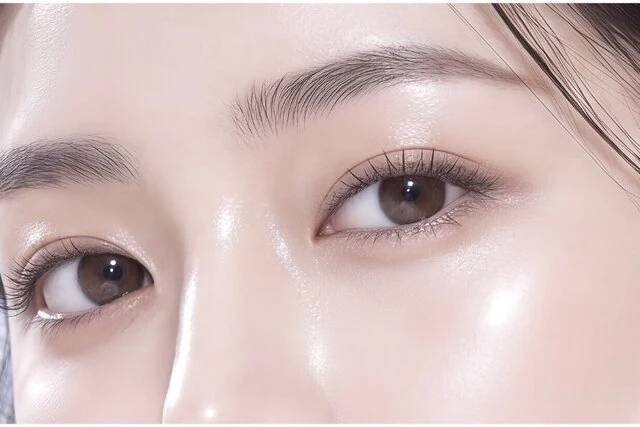
An in-out line double eyelid is a shape in which the line starts relatively naturally at the inner part of the eye and the double eyelid line becomes more visible toward the outer part.
Put simply, it can be understood as a design that keeps the natural look of the front of the eye while giving the outer line some definition.
However, in-line, in-out line, semi-out line and out line are not absolute standards that are clearly distinguished in real eyes; they are terms used to describe the starting point, height and degree of exposure of the line.
So rather than just choosing the name of the line, it is important to first check whether the shape you want can be expressed naturally with your current eye structure.
What is an in-out line double eyelid?
With an in-out line, the double eyelid line starts relatively naturally at the inner part of the eye and becomes more visible toward the outer part.
When the eyes are open, the front part of the line looks relatively subtle, and the presence of the double eyelid line grows toward the outer part.
It is often described as combining features of both the in-line and out-line, but the actual shape of the line can differ depending on your eye structure and the design.
In particular, depending on where the line starts at the inner corner, the height of the double eyelid and how much of the line shows when the eyes are open, the same in-out line can create different eye impressions.
How do in-out and semi-out lines differ?
In-out and semi-out lines are used to describe the starting position and degree of exposure of the line, but in actual design the boundary between the two may not be clear.
Generally, an in-out line means the line starts relatively naturally at the inner part of the eye and becomes more visible toward the outer part.
A semi-out line is often described as a shape in which the double eyelid line shows to some degree, while its height and exposure are adjusted to look more natural than an out line.
However, these names can be used differently depending on the clinic or design approach, so rather than judging the shape you want by the name "in-out line" or "semi-out line" alone, it is important to check the actual starting point and height of the line and how it continues toward the outer part.
Which eyes suit an in-out line double eyelid?
Whether an in-out line suits you is hard to judge from eye size or the direction of the outer corner alone.
The structure of the inner corner, the horizontal width of the eye, the thickness of the upper eyelid, any existing double eyelid line and the condition of the skin and soft tissue must be checked together.
Structure of the inner corner of the eye
With an in-out line, how the line starts at the inner part of the eye is an important design element.
Depending on the skin structure of the inner corner and any existing double eyelid line, how much of the front line shows can differ even with the same height.
So when deciding the starting point you want, the actual structure of the inner corner must be checked as well.
Horizontal width and overall proportions of the eye
The horizontal width of the eye can affect how the double eyelid line looks as it runs from the inner to the outer part.
But a wide eye does not necessarily mean an in-out line will suit it. It is good to also consider the vertical size of the eye, the direction of the outer corner and the proportion of the eyes within the face.
Upper eyelid thickness and existing line
The condition of the upper eyelid skin and soft tissue, and any double eyelid line that has already formed, can also affect the design.
Rather than just deciding the height of the line you want, it is important to check how much of the double eyelid line actually shows when you open your eyes naturally.
Who considers an in-out line double eyelid?
An in-out line can be considered when you want to keep a natural look at the front of the eye while expressing the outer line with some definition.
In consultation, people with the following concerns sometimes ask about the in-out line.
- You feel burdened by a double eyelid line that looks too strong at the front of the eye
- You want the double eyelid line to show a little more than an in-line
- You want to keep the inner part natural while bringing out the outer line
- You want a design between an in-line and an out-line
However, even with the same desired image, the suitable line can differ depending on your actual eye structure.
So rather than deciding "If I want this kind of eye, it's an in-out line," it is important to check the eye shape you want together with your current eye structure before deciding on the line.
In-line, in-out line, semi-out line and out line at a glance
Each line is mainly used to describe where the line starts at the inner corner of the eye and how much of it shows when the eyes are open.
Comparison of double eyelid line types
| Category | In-line | In-out line | Semi-out line | Out line |
|---|---|---|---|---|
| Line characteristics | The front of the line folds relatively inward and looks subtle | Starts naturally at the inner part and becomes more visible toward the outer part | The line shows to some degree, with height and exposure adjusted to look natural | The line shows relatively clearly from the inner corner |
| Impression | Subtle and natural | Natural at the front, relatively defined at the outer part | Balances naturalness and definition | Relatively clear and defined |
| Design factors | Inner corner structure, existing line, upper eyelid, etc. | Inner corner structure, horizontal width, existing line, line exposure, etc. | Eye structure, line height, exposure, etc. | Inner corner structure, horizontal width of the eye, line height, etc. |
| Desired change | A relatively subtle change | Natural inner part plus a defined outer part | Moderate line exposure and natural definition | A line that shows relatively clearly |
The categories above are general explanations to help understand each line.
Actual double eyelid lines are not divided exactly into four shapes; they can vary continuously depending on your eye structure and the surgical design. In-out and semi-out lines in particular can overlap in description, so it is important to check the actual design rather than the name.
How are the height and shape of an in-out line decided?
Even with the same in-out line, the eye impression can differ depending on where the line starts at the front of the eye, its overall height and how much the line shows toward the outer part.
When deciding the line, the structure of the inner corner, the size and horizontal width of the eye, the thickness of the upper eyelid and any existing double eyelid line are checked together.
The degree of change you want is also an important standard.
Rather than making the line as high as possible or emphasizing the outer part, it is important to plan it in harmony with the whole eye while checking how much of the double eyelid line shows when you open your eyes naturally.
How does an in-out line settle over time after surgery?
Right after surgery, swelling can make the double eyelid line look higher or deeper than it actually is.
Then, as swelling decreases and the tissue stabilizes, the height and exposure of the line can gradually change.
The speed of recovery and when the line stabilizes differ depending on the surgical method and your individual skin and tissue condition, so it is hard to judge the final appearance by a specific period alone.
Also, over time the shape of the double eyelid line may change because of changes in the skin and soft tissue and aging.
So rather than judging the final result from the line right after surgery, it is necessary to watch a sufficient recovery process.
How should you prepare before an in-out line consultation?
Before consultation, rather than just naming the line — "Please make it an in-out line" — it helps to prepare information about the eye shape you want and the current condition of your eyes.
Think about the starting point and height of the line you want
Thinking ahead about how natural you want the front of the eye to look and how much you want the outer double eyelid line to show helps explain the direction you want.
Prepare reference photos
If you have reference photos similar to the eye shape you want, they can be used to explain the direction you want during consultation.
However, other people's eyes and your eye structure are different, so rather than aiming for the same result as the photo, it is better to use them as reference material to explain the starting point, height and overall feel of the line you want.
Share any previous eye surgery
If you have had double eyelid surgery or other eye surgery before, you should tell your medical team.
The possible design and surgical method can differ depending on the position of the existing line, adhesions, scarring and tissue condition.
Check your current eye structure
It is important to check the structure of the inner corner, the size and horizontal width of the eye, the thickness of the upper eyelid and any existing double eyelid line together.
Depending on these conditions, a different shape such as an in-line, semi-out line or out line may look more natural than an in-out line.
FAQ | Frequently asked questions about the in-out line double eyelid
What is an in-out line?
An in-out line is a shape in which the double eyelid line starts relatively naturally at the inner part of the eye and becomes more visible toward the outer part. However, the actual starting point, height and exposure of the line can differ depending on your eye structure and the design.
Which eyes suit an in-out line?
It is hard to judge that an in-out line suits a particular eye shape based on one feature alone. The structure of the inner corner, the horizontal width of the eye, the thickness of the upper eyelid and any existing double eyelid line must be checked together, and depending on your eye structure a different shape may look more natural.
How do in-out and semi-out lines differ?
An in-out line generally means the line starts naturally at the inner part of the eye and becomes more visible toward the outer part. A semi-out line is often described as a shape in which the line shows to some degree, while its height and exposure are adjusted to look more natural than an out line. However, the two terms can overlap in actual design, so it is important to check the starting point, height and exposure of the line rather than the name.
Does an in-out line make the double eyelid very noticeable?
How much the double eyelid line shows is not determined by the name "in-out line" alone. Depending on the height of the line, how much shows when the eyes are open and the condition of the upper eyelid, it can look natural or relatively defined.
Can an in-out line be done with the suture (buried) method or non-incisional double-eyelid surgery?
The shape of the double eyelid line and the surgical method are different standards. Even when an in-out line is planned, the suitable surgical method can differ depending on the eyelid skin and fat, the existing line and the tissue condition, so it should be decided after examination.
Can I change from an in-out line to another line later?
Depending on the condition of the eye, the line can sometimes be changed, but adhesions, scarring and tissue condition from the previous surgery must be checked first. Whether revision surgery is possible and the right timing should be judged through examination.
Does an in-out line change over time after surgery?
Right after surgery, swelling can make the line look higher or deeper than it actually is. Afterward, as swelling decreases and the tissue stabilizes, the height and exposure of the line can change, and the recovery process and final appearance vary from person to person.
An in-out line is a design that can be considered when you want to keep a natural look at the front of the eye while letting the outer double eyelid line show to some degree.
But the name of the line alone cannot determine the shape that suits your eyes.
Depending on the structure of the inner corner, the horizontal width of the eye, the thickness of the upper eyelid and any existing double eyelid line, a different shape such as an in-line, semi-out line or out line may look more natural.
So rather than first deciding "Should I get an in-out line?", it is important to check your current eye structure and talk with your medical team about the starting point, height and exposure of the line you want.
※ Notice
- All surgeries and procedures may involve side effects or complications such as swelling, bruising, bleeding, infection, scarring, asymmetry and the possibility of revision surgery.
- This content is intended to provide medical information and is not a specific person's treatment experience (review).
- The exact diagnosis and treatment method should always be decided through consultation with a medical professional.
Yuno Plastic Surgery
This content has been reviewed by our medical team.