 KOR
 ENG
 JPN
 RUS
 VNM
 CHN
 TWN
Before You Decide on Rhinoplasty: 5 Things Doctors Don't Always Tell You First
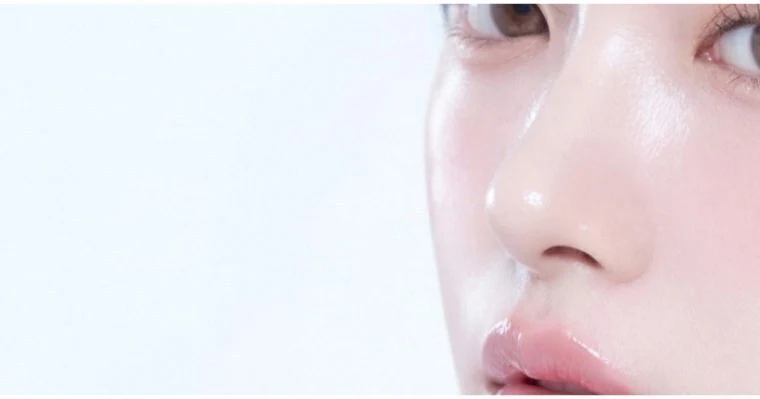
Before you decide on rhinoplasty: 5 things doctors don't always tell you first
Yuno Plastic Surgery Magazine · September 2026 · Medically reviewed
Key points of this article
- - The appearance right after rhinoplasty is not the final result; the shape of the nose can keep changing as swelling subsides and the tissue stabilizes.
- - Rather than declaring that silicone or autologous cartilage is "better," what matters is deciding which material to use based on your current nasal structure and the area that needs it.
- - A photo of the nose you want helps in consultation, but the change that is actually possible depends on your skin thickness, cartilage condition and facial proportions.
- - If you usually have nasal congestion or rhinitis, it is good to check not only the appearance but also the inside of the nose.
- - Even after you can return to daily life, you may need to be careful for a while with glasses, exercise and impacts to the nose.
In a rhinoplasty consultation, people naturally talk a lot about the nose shape they want.
"Would this height look natural?"
"Can you make it like this photo?"
"Is autologous cartilage better than silicone?"
But when deciding on rhinoplasty, it is just as important to understand the recovery process, the role of each material, and the range of change possible with your current nasal structure.
In this article, we cover five things that are easy to overlook before surgery.
1. You won't see the final shape right after surgery
When the splint is removed after rhinoplasty, you can see the overall change to some extent, but that appearance is hard to call the final result.
After surgery, swelling remains in the skin and soft tissue, and the internal tissue also needs time to stabilize.
The nose tip in particular can feel residually swollen for a long time depending on the characteristics of the skin and soft tissue and the extent of surgery.
Skin thickness can also affect recovery
With thin skin, changes in the internal structure may show relatively quickly, but small contour changes can also be more visible.
Conversely, with thick skin and soft tissue, the nose tip may feel round or bulbous for a while, and it may take longer for fine contours to show.
However, skin thickness alone cannot determine when the final result will be seen.
It can vary depending on the extent of surgery, whether osteotomy was performed, how much the nose tip was corrected, and your individual swelling and recovery speed.
So rather than a rule like "it's complete in X months," it is better to distinguish between when the initial swelling goes down and when the final shape can be evaluated.
2. With materials, "why it is used" matters more than "what is used"
One of the most common questions in rhinoplasty consultations is "Which is better, silicone or autologous cartilage?"
But in rhinoplasty, it is hard to say that one material is best for every area.
The nasal bridge and nose tip have different roles, and the materials that can be used also depend on your current skin and cartilage condition.
Nasal bridge
To adjust the height and line of the nasal bridge, an implant or autologous tissue may be considered.
Which material to use is decided by checking the current shape of the bridge, skin thickness and the degree of change needed.
Nose tip support
To adjust the direction and support of the nose tip, autologous cartilage such as septal or rib cartilage, or donor cartilage, may also be considered.
However, the material and amount needed depend on your current tip structure and whether you have had previous surgery.
Nose tip contour
Various materials, such as ear cartilage, can be used for the fine contours of the nose tip or for reinforcing specific areas.
If your skin is thin
If the skin is thin and internal contours may become noticeable, a method to supplement the soft tissue is sometimes considered as well.
So rather than comparing materials alone — "autologous cartilage is good and implants are bad," or vice versa — it is important to understand why a given material is needed for which part of your nose.
3. The nose in your reference photo may not come out exactly the same
Preparing a photo of the nose you want is helpful in consultation.
However, rather than trying to copy the nose in the photo exactly, it is better to use it as a reference to communicate which features you like.
Even the same height and tip shape can create a different impression depending on the facial structure.
Skin thickness is different
If the skin and soft tissue are thick, even when the internal cartilage is adjusted, fine changes may be less visible from the outside.
Conversely, with thin skin, even small changes can show relatively clearly.
Cartilage condition is different
The shape and strength of the tip cartilage, and the amount of autologous cartilage available, differ from person to person.
So even if you want the same photo, there can be differences in the height and direction actually possible.
Facial proportions are different
The nose determines the central proportions of the face together with the forehead, lips, philtrum and chin.
Just because the nose in a photo looks natural on that person does not mean the same height and angle will look natural on a different face.
So in consultation, it is more helpful to explain specifically whether you like the bridge line in the photo, the direction of the tip, or the width from the front, rather than focusing on the photo itself.
4. Nose shape and breathing may need to be checked together
Rhinoplasty is surgery that changes appearance, but sometimes the internal structure and function of the nose also need to be checked.
In particular, if you usually have nasal congestion or rhinitis, or have trouble breathing through one side, be sure to mention it during consultation.
Nasal congestion can be related to many causes, including structural factors such as the septum or turbinates, as well as rhinitis and the condition of the mucosa.
So rather than immediately concluding that a specific functional surgery is needed because of congestion, the cause of the discomfort should be identified before deciding whether treatment is needed.
If a functional problem is diagnosed and related treatment is needed, it is sometimes planned together with cosmetic rhinoplasty.
Whether insurance applies, and to what extent, can also depend on the actual diagnosis, the treatment and the applicable coverage criteria.
5. Returning to daily life is not the same as full recovery
Being able to go back to work or light daily activities after rhinoplasty does not mean the nose has fully stabilized.
Even after the obvious swelling and bruising subside, the internal tissue can continue to heal.
Wearing glasses
If osteotomy or bridge correction was performed, you may need to be careful that glasses do not put constant pressure on the bridge of your nose.
It is best to be advised on exactly when you can wear them after the extent of surgery and your current recovery are checked.
Blowing your nose hard
In early recovery, the inside of the nose may also be swollen and sensitive, so you may be advised to avoid blowing your nose hard or touching it repeatedly.
Exercise
Light activity and high-intensity exercise may be resumed at different times.
Be especially careful with sports where your nose might be hit until the surgical area has stabilized.
Saunas and jjimjilbang (Korean spas)
Activities involving prolonged exposure to high temperatures may also be restricted in the early recovery stage.
When they are allowed can vary depending on your current swelling, wound condition and surgical method.
In the end, "When can I go back to work?" and "When can I get back to all my normal activities?" are different questions.
Before surgery, it is good to tell your medical team about your work, exercise and whether you wear glasses so you can check your recovery schedule together.
When can the result of rhinoplasty be judged?
It can be hard to judge the final result from how the nose looks right after surgery or in the first few months.
Even after the major early swelling subsides, residual swelling in the nose tip and surrounding tissue can keep changing.
In particular, when the extent of osteotomy or tip correction is large, or the skin and soft tissue are thick, it may take more time to stabilize.
So rather than applying a specific number of months equally to everyone, the timing for evaluating the shape or consulting about revision is best decided by checking the current swelling, tissue condition and extent of surgery.
On the other hand, if you have abnormal symptoms such as severe pain, redness, warmth, discharge, an exposed implant or a sudden change in shape, do not wait for the final result — have it checked by your medical team.
What should you ask during consultation?
Before deciding on rhinoplasty, it is helpful to ask the following questions in addition to describing the shape you want.
- What is the condition of my skin and soft tissue?
- What changes are needed for my nasal bridge and nose tip, respectively?
- Which materials are being considered, and why?
- Looking at the reference photo I brought, which features can realistically be achieved and which may be difficult?
- What degree of change is realistic for my nasal structure?
- Are there any functional issues, such as nasal congestion or rhinitis, that should be evaluated?
- When can I return to work or resume my usual daily activities after surgery?
- When can I wear glasses and resume exercise?
- How long should I wait before evaluating the final shape of my nose?
- In what situations should I contact the clinic immediately if I experience any unusual symptoms?
By asking these questions, you can better understand not only what kind of nose shape can be achieved, but also why a particular surgical plan is recommended and what to expect during recovery.
Frequently asked questions before deciding on rhinoplasty
When can I return to daily life after rhinoplasty?
It depends on the extent of surgery and individual recovery speed.
Some people start light daily activities around the time the splint is removed, but swelling and bruising may remain afterward.
So it is best to think of the time you can return to daily life and the time the final nose shape stabilizes as separate.
When can I wear glasses after rhinoplasty?
If osteotomy or bridge correction was performed, you may need to be careful about pressure from glasses for a certain period.
Rather than applying the same period to everyone, it is best to be advised on when to wear them after the extent of surgery and your progress are checked.
Is autologous cartilage absorbed over time?
Autologous cartilage uses your own tissue, but it can change over time depending on where it is used, its form and your individual tissue condition.
Because the degree of change cannot be predicted the same way for everyone, the area and purpose of use need to be considered together.
Why does the cost of rhinoplasty differ from person to person?
Because the plan can differ depending on the extent of surgery needed, the materials used, whether you have had previous nose surgery, and whether functional treatment is included.
So when comparing costs, it is good to check not just the total amount but also which surgery, materials and aftercare are included.
If I'm not happy with the result, when can I discuss it?
You can discuss any discomfort or concerns with your medical team at any time after surgery.
However, the time to judge the final shape or the need for revision can vary depending on how much the swelling has subsided and how stable the tissue is.
If you have abnormal symptoms such as pain, inflammation or a sudden change in shape, it is important to see a doctor right away rather than waiting for a set period.
Can you make my nose exactly like a celebrity's or model's?
Because facial proportions, skin thickness and cartilage structure differ from person to person, it is hard to promise that the nose in a photo can be reproduced exactly.
It is best to use photos as a reference to convey the bridge or tip direction and overall feel you want, and to consult about what is possible for your face.
When deciding on rhinoplasty, what matters is not just confirming the shape you want.
It is important to understand how the nose stabilizes after surgery, why certain materials are used, how the photo you want may differ from the change actually possible, and whether anything functional needs to be checked.
In addition, even after you return to light daily activities, there may still be things to be careful about until the nose has fully stabilized.
Deciding on surgery after fully understanding these points can help reduce the gap between the process you expected before surgery and your actual recovery.
At Yuno Plastic Surgery, we consult on the surgical plan after checking not only the nose shape you want but also your current skin and cartilage condition, the function inside your nose, the materials to be used and the recovery process.
※ Notice
This content is intended to provide general medical information and does not replace diagnosis or treatment of an individual's condition. The exact surgical method and recovery plan should be determined through examination and consultation with a medical professional.
All surgeries and procedures may involve side effects or complications such as swelling, bruising, bleeding, infection, scarring, asymmetry, implant- or graft-related problems, functional discomfort and the possibility of revision surgery, and the degree and recovery process may vary from person to person.
The recovery timing and lifestyle restrictions described in this article are general reference information; actual progress may vary depending on the surgical method, extent of surgery and your individual condition.
Whether insurance applies, and to what extent, may vary depending on the actual diagnosis, treatment and applicable coverage criteria.
This content is written to provide general medical information and is not intended to describe any specific person's treatment experience or to guarantee surgical results.
Yuno Plastic Surgery
This content has been reviewed by our medical team.