
 KOR
 ENG
 JPN
 RUS
 VNM
 CHN
 TWN
Ptosis Correction: Non-Incisional vs Incisional — When Is an Incision Needed?
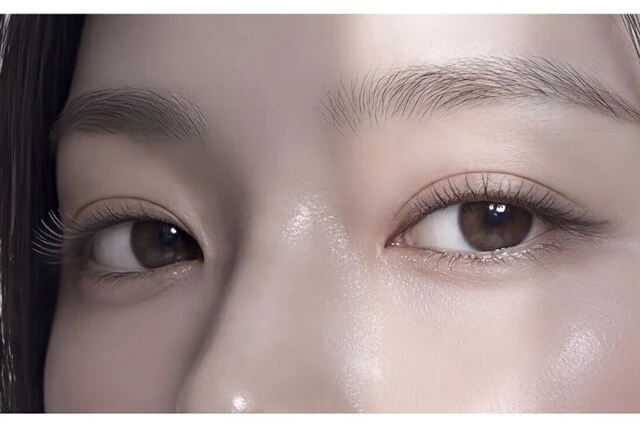
Ptosis: non-incisional vs incisional correction — when is an incision needed?
Yuno Plastic Surgery Magazine · Medically reviewed
Key points of this article
- ✔ Ptosis correction is not just a choice between non-incisional and incisional methods; the approach is decided by looking at the degree of eyelid drooping, eye-opening function, and skin and fat condition together.
- ✔ For relatively mild cases, non-incisional ptosis correction may be considered, but it does not apply to every case of ptosis.
- ✔ When drooping is pronounced, or structural correction of the eyelid or removal of skin and fat is needed, incisional ptosis correction may be considered.
- ✔ Differences between the two eyes, eyebrow position and skin elasticity also need to be checked when deciding on the surgical method.
- ✔ Right after surgery, swelling can make the two eyes look different, so it is important to follow the recovery process rather than judging the result from the early appearance alone.
"Can ptosis be corrected with a non-incisional method?" "If I have ptosis, do I need an incision?"
If your eyes look droopy or you have to use your forehead to open your eyes comfortably, you may have these questions.
In short, not every case of ptosis is corrected in the same way.
The right approach can vary depending on how much the eyelid droops, eye-opening function, skin and fat condition, and differences between the two sides.
So rather than simply comparing which method is better, non-incisional or incisional, it is important to determine which method is best suited to your current eyelid condition.
What is ptosis?
Ptosis is a condition in which the upper eyelid sits lower than its normal position and covers part of the pupil.
It can occur when the levator muscle, which helps lift the eyelid, or related structures do not function properly.
In some cases, the eyelid-lifting function is weak from birth (congenital), while in others, it develops later as related tissues change with age (acquired).
However, not every eye that looks small or droopy has ptosis.
Sagging eyelid skin, the amount of fat, and eyebrow position can create a similar impression, so it is necessary to first identify why the eyes look droopy.
Are ptosis and ptosis correction the same thing?
No. Ptosis refers to the condition in which the eyelid sits lower than normal, while ptosis correction refers to the surgery performed to improve it, taking into account eye-opening function and eyelid condition.
So when considering ptosis correction, it is important to look not just at the size of the eyes but also at actual eye-opening function and eyelid structure.
What is the difference between non-incisional and incisional ptosis correction?
The biggest difference between the two methods is how the eyelid tissue is accessed and the range of correction possible.
Non-incisional ptosis correction
The eyelid tissue is adjusted using small openings or sutures without a long skin incision.
It may be considered when eyelid drooping is relatively mild and there is not much sagging skin or fat.
However, not every case of ptosis can be corrected using a non-incisional method, and whether it is suitable depends on your current eyelid condition and the range of correction needed.
Incisional ptosis correction
The eyelid is incised so the internal structures can be checked directly and adjusted as needed.
An incisional approach may be considered when drooping is relatively pronounced or when eyelid skin and fat need to be addressed at the same time.
| Category | Non-incisional ptosis correction | Incisional ptosis correction |
|---|---|---|
| Approach | Uses small openings and sutures | Accesses the eyelid structures through an incision |
| When it may be considered | Relatively mild drooping | Pronounced drooping or when structural correction is needed |
| Skin removal | Limited | Can be performed at the same time if needed |
| Fat removal | Limited | Can be performed at the same time if needed |
| Range of correction | May be limited depending on eyelid condition | Allows for a relatively wide range of structural adjustments |
| Recovery | Varies depending on the extent of surgery and the individual | Varies depending on the extent of surgery and the individual |
The above describes general differences; the actual surgical method can vary depending on your eyelid structure and eye-opening function.
When is non-incisional or incisional ptosis correction considered?
When deciding on the method, it is not just about how much the eyelid droops.
The following factors are checked together.
| Factor | Why it is checked |
|---|---|
| Degree of eyelid drooping | To see how much of the pupil is covered and the range of correction needed |
| Eye-opening function | To assess the eyelid-lifting function and determine the appropriate correction method |
| Eyelid skin laxity | To see whether excess skin needs to be removed as well |
| Amount of eyelid fat | To see whether fat removal is also needed |
| Left-right difference | To see whether the same approach suits both eyes |
| Desired double eyelid line | To consider eye-opening function and the desired line together |
So it is hard to choose a method based only on ideas like "non-incisional is simpler" or "incisional is more reliable."
It is important to comprehensively check your current eyelid condition and the range of correction needed.
Does ptosis always require incisional surgery?
Not every case of ptosis requires an incision.
If eyelid drooping is relatively mild and conditions such as skin and fat are suitable, non-incisional ptosis correction may be considered in some cases.
On the other hand, if drooping is pronounced, structural correction is needed, or the skin and fat also need to be addressed, an incisional method may be considered.
In other words, rather than deciding on a non-incisional or incisional method just because you have ptosis, your eyelid condition and eye-opening function need to be checked together.
Can ptosis be corrected with a non-incisional (suture) method alone?
In mild cases, ptosis correction using a non-incisional or suture method may be considered.
However, how much can be corrected with a non-incisional method varies from person to person.
If drooping is pronounced or structural adjustment of the eyelid is needed, it may be difficult to achieve the desired improvement with a non-incisional method alone.
In such cases, a method that allows the eyelid structure to be checked through an incision and adjusted as needed may be considered.
So rather than assuming "anyone can have it because it's non-incisional" or "ptosis must always be treated with an incision," it is important to first check your exact condition.
What else should be checked besides eyelid drooping?
1. Difference between the two eyes
The degree of drooping and eye-opening function are sometimes not exactly the same on both sides.
If one eye droops more or there is a difference in eye-opening strength, it may be necessary to plan the surgery by checking each eye's condition rather than applying the same degree of correction to both eyes.
2. Eyebrow position
If eye-opening strength is insufficient, a habit of unconsciously using the forehead or raising the eyebrows to open the eyes may develop.
So it is good to look not only at the eyelids but also at how you usually use your eyebrows and forehead.
3. Eyelid skin elasticity
As eyelid skin loses elasticity with age, sagging skin and eye-opening problems can appear together.
In this case, rather than correcting eye-opening function alone, the necessary extent of surgery can be determined by also considering the skin condition.
Can double eyelid surgery and ptosis correction be done together?
They can be planned together if needed.
If only a double eyelid line is created when eye-opening function is insufficient, the line may be hidden by the eyelid, or the result may differ from the eye shape you want.
So when ptosis is suspected, it is important to plan the surgery by checking eye-opening function and the desired double eyelid line together.
However, not everyone needs double eyelid surgery and ptosis correction at the same time.
The necessary procedures should be decided after checking your current eyelid condition and the extent of change you want.
What is recovery like after ptosis correction?
The speed and pattern of recovery can vary depending on whether it was non-incisional or incisional, the extent of correction, and your individual tissue condition.
| Period | Changes that may occur |
|---|---|
| Right after surgery to 1 week | Swelling and bruising may appear, and the two eyes may feel like they open differently |
| 1–4 weeks | Visible swelling decreases and the eye shape gradually stabilizes |
| 1–3 months | As residual swelling decreases, left-right balance and the line can gradually settle |
| 3–6 months | Results vary, but a relatively stable appearance can be seen over time |
In particular, if an incision or structural correction of the eyelid was included, differences between the two sides may feel larger in early recovery.
So rather than judging the result from how it looks right after surgery, it is important to follow your recovery according to your medical team's guidance.
Things to check before your consultation
How you usually open your eyes
It helps to notice whether you tense your forehead when looking in the mirror, or whether people often say you look sleepy.
Left-right difference
Checking whether one eye looks particularly droopy, or whether there is a difference in size or how wide each eye opens, can help in your consultation.
When the symptoms started
It is good to tell your doctor whether this is a recent, sudden change or whether you have looked similar for a long time.
Contact lens use and eye-related history
If you have worn contact lenses for a long time or have had eye surgery or treatment in the past, tell your doctor during the consultation.
Frequently asked questions about non-incisional and incisional ptosis correction
Can ptosis occur at a young age?
Yes. If the eyelid-lifting function is insufficient from birth, ptosis can appear at a young age. Because there are many reasons eyes may look droopy, it is necessary to accurately confirm whether it is actually ptosis.
Is the choice between non-incisional and incisional decided in a single consultation?
In most cases, the direction can be set in the first consultation just by checking the degree of drooping and eye-opening strength. However, if there is a large left-right difference or the skin and fat condition is borderline, the final method may be decided after additional checks.
After non-incisional correction, can the eyelid droop again over time?
The possibility that the eyelid condition changes over time cannot be completely ruled out. Many factors, such as individual eyelid structure, the extent of correction and aging, can have an effect, so it is best to discuss long-term changes with your doctor.
If only one eye has ptosis, do both eyes need surgery?
Not necessarily. However, when one eye changes, its balance with the other eye may also look different, so it is best to decide the extent of surgery after checking both eyes.
When are stitches removed after incisional ptosis correction?
They are generally removed after a certain period following surgery, but the exact timing can vary depending on the extent of surgery and wound healing. It is best to follow your medical team's guidance.
What should I do if my eyes don't close well or my vision is uncomfortable after surgery?
In the early period after surgery, swelling and changes in how wide the eyes open can cause a foreign-body sensation or tightness. However, if difficulty closing the eyes, visual discomfort, or pain persists or worsens, do not assume it is just part of recovery — contact the clinic to have your condition checked.
It is difficult to say universally which method is better for ptosis correction: non-incisional or incisional.
When drooping is relatively mild and the eyelid conditions are suitable, non-incisional ptosis correction may be considered. When drooping is pronounced or structural correction and removal of skin and fat are needed, an incisional method may be considered.
In the end, what matters is not deciding on the method first, but accurately checking the degree of eyelid drooping, eye-opening function, skin and fat condition, and differences between the left and right eyes, and then deciding on the correction method that is most suitable.
This content is intended to provide general medical information and does not replace the diagnosis or treatment of an individual's condition. An accurate diagnosis and surgical method should be determined through consultation with a medical professional.
All surgeries and procedures may involve side effects or complications such as swelling, bruising, bleeding, infection, scarring, asymmetry, and the possibility of revision surgery. The degree of these effects and the recovery process may vary from person to person.
This content is provided for medical information purposes and is not a treatment experience or review of any specific person.
YUNO Plastic Surgery
This content has been reviewed by our medical team.